Thinking about Frederick but not sure how it stacks up against Silver Spring, Rockville, or Columbia? You are not alone. When you are relocating, it helps to see clear differences in price, home types, commute options, and ongoing costs. In this guide, you will get side‑by‑side context so you can compare Frederick to other central‑Maryland suburbs with confidence. Let’s dive in.
Big picture: Prices across key suburbs
If you are budgeting, start with county medians. Based on Redfin’s January 2026 snapshots, typical median sale prices were about $593,000 in Montgomery County, $517,500 in Howard County, $482,250 in Frederick County, and $460,000 in Carroll County (Redfin, Jan 2026). Place level prices can vary a lot within each county.
Within Frederick, the city itself often trends lower than the county as a whole. City‑level snapshots show a Frederick city median in the low to mid $400s during the same period, while the county median sits higher. That gap reflects higher‑priced suburban areas outside city limits pulling up the county number (Redfin and Zillow city snapshots, Jan 2026).
What does this mean for you? In simple terms, you usually trade price for proximity. Montgomery’s closer‑in, transit‑served neighborhoods tend to cost more. Frederick offers more space per dollar on average, with a small‑city vibe and suburban options nearby. Carroll is often the lowest of the four on median price, while Howard typically sits between Frederick and Montgomery on price.
Housing types you will actually see
County housing stock tells you a lot about what will pop up in your search. The American Community Survey 2020–2024 estimates from the Maryland Department of Planning are the best public snapshot of structure types.
Frederick County and Frederick city
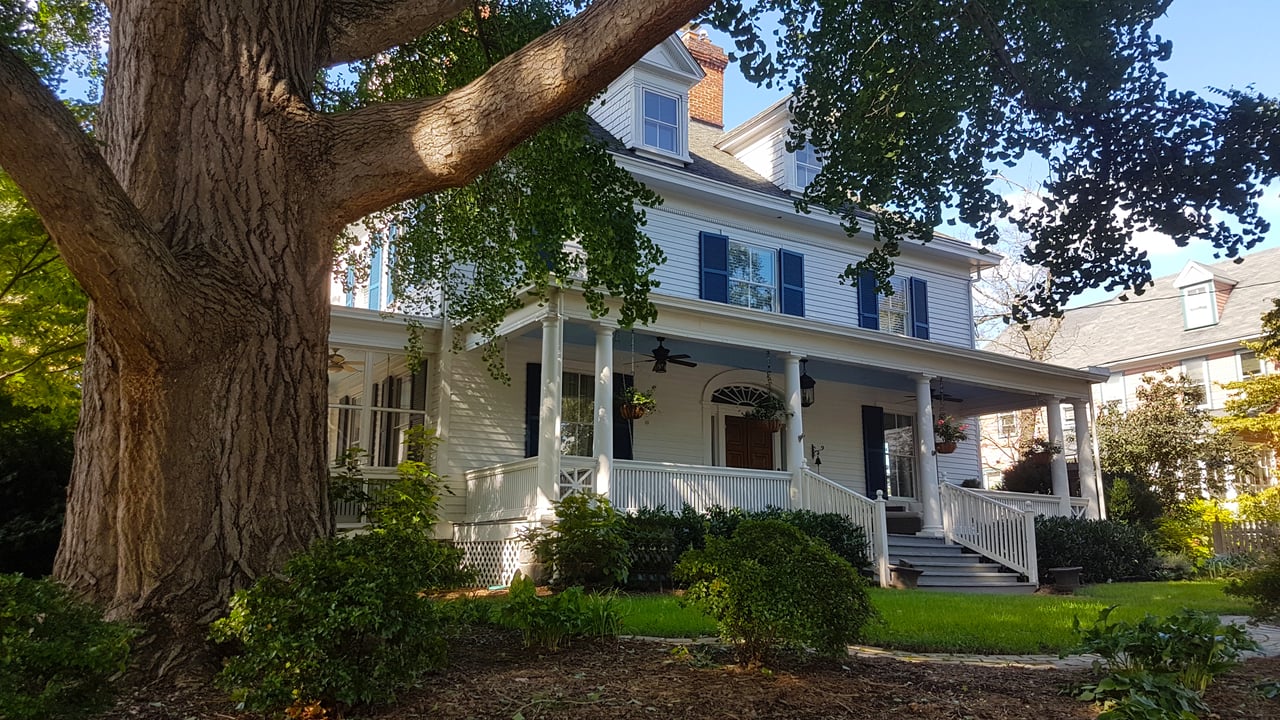
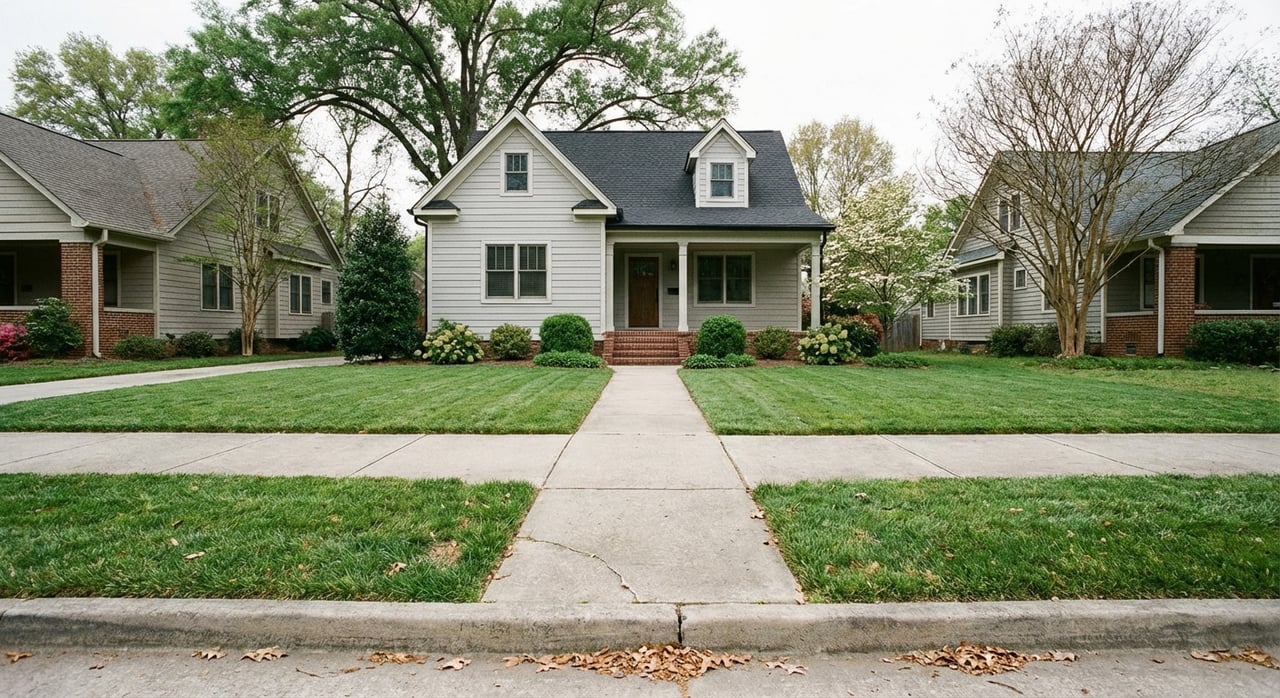
Frederick County has a strong single‑family base with a meaningful share of townhomes. ACS shows about 60 percent of homes are 1‑unit detached and about 22 percent are 1‑unit attached, such as townhouses. You will see a split in feel: historic rowhouses and small‑lot homes in walkable downtown Frederick, plus newer suburban neighborhoods like Urbana, Lake Linganore, and New Market nearby. See the county ACS table for structure mix and commute context from 2020–2024 at the Maryland Department of Planning.
- Source for Frederick County housing mix and commute context: Maryland Department of Planning ACS 2020–2024 county tables. Explore Frederick County ACS data.
Montgomery County (Silver Spring, Rockville, Bethesda area)
Closer‑in D.C. suburbs offer more townhomes and a larger share of multiunit buildings, especially along Metrorail corridors. Montgomery’s structure mix includes roughly 47 percent detached and a sizable share in 20‑plus‑unit buildings, which fits the Silver Spring, Rockville, and Bethesda pattern of denser nodes with walkable retail and transit access. Buyers often pay a premium in exchange for shorter, more predictable transit options.
- Source for Montgomery structure mix and commute context: Maryland Department of Planning ACS 2020–2024. See Montgomery County ACS data.
Howard County (Columbia and nearby)
Howard County lands in the middle on structure mix, with about half detached homes and a strong townhouse presence. Columbia’s planned‑community model means village centers and shared amenities are common, with options that attract buyers looking for suburban convenience and community programming.
- Source for Howard structure mix and commute context: Maryland Department of Planning ACS 2020–2024. Review Howard County ACS data.
Carroll County
If you want land or lower density, Carroll stands out. About 78 percent of homes are detached, reflecting its rural and small‑town character. You will see more large lots and fewer multiunit options compared with Montgomery or Howard.
- Source for Carroll structure mix: Maryland Department of Planning ACS 2020–2024. Check Carroll County ACS data.
Commute and transit trade‑offs
Commutes shape daily life, so compare both average travel times and your realistic route choices. ACS 2020–2024 shows mean travel times of about 33.1 minutes in Frederick, 31.9 minutes in Montgomery, 28.5 minutes in Howard, and 34.4 minutes in Carroll. These are countywide averages across all commuters.
Public‑transit usage highlights another difference. Montgomery’s transit share is about 7 to 8 percent thanks to Metro and robust bus networks. Frederick and Howard are much lower, about 1 to 1.5 percent, and Carroll is near 0.3 percent. If you need frequent rail or bus, Montgomery corridors usually deliver more options. If you are open to driving or a park‑and‑ride routine, Frederick can be a solid fit for more space and a lower price point.
- Source for commute times and mode shares: Maryland Department of Planning ACS 2020–2024 county tables for Frederick, Montgomery, Howard, and Carroll.
MARC in Frederick: what to know
Frederick County has MARC commuter rail on the Brunswick/Frederick branch with stations at Downtown Frederick and Monocacy. Weekday service into Downtown Frederick is more limited than the main Brunswick and Penn lines, and local groups continue to advocate for increased frequency and platform improvements. MARC works well for certain schedules into Washington, but it is not a full substitute for Metro’s all‑day service.
- Learn more about current service and local advocacy at the Downtown Frederick MARC information page.
Lifestyle feel and amenities
Frederick blends a lively, historic downtown with suburban neighborhoods just a short drive away. You get independent restaurants, breweries, and arts spaces along with Carroll Creek Park’s outdoor scene. Outside the city, master‑planned communities and newer builds give you options for more square footage and neighborhood amenities.
Montgomery’s denser nodes, like Bethesda, Rockville, and Silver Spring, put you closer to D.C. with stronger transit access and a steady calendar of cultural events. Expect higher prices and, in many neighborhoods, smaller lots. Howard’s planned communities emphasize convenience, recreation, and organized amenities. Carroll’s small‑town pace and rural edges appeal if you value space, privacy, and lower density.
Taxes and other ownership costs
Property taxes vary by county, municipality, and special district, so always check the official schedule for your specific address.
- Frederick County’s FY2025–2026 schedule lists a county general real‑property rate of about 1.110 per $100 assessed value, plus the state rate of 0.112. Municipal and special district rates can add components to the final bill. You can review the current schedule in the county’s official document: Frederick County tax rates FY2025–2026.
- Montgomery County’s real‑property taxes are organized by many districts and components. If you are comparing neighborhoods there, review the county’s levy schedule by district lines: Montgomery County Real Property Tax Schedule.
For closing costs, remember that transfer and recordation taxes differ by county and can change. If Montgomery County is on your list, check recent updates on transfer and recordation since those directly affect buyer cash to close.
Which area might fit you best
Use these quick scenarios to gut‑check your shortlist. Then validate with a custom search based on your budget, commute, and must‑haves.
- You want more space per dollar and a lively small‑city core. Consider Frederick. Downtown offers walkability and character, while nearby suburbs like Urbana and Lake Linganore provide newer homes and community amenities.
- You need frequent rail or Metro access and quick trips to D.C. or Bethesda. Look at Montgomery County corridors. You will likely pay more, but transit and services are strong.
- You want suburban convenience with planned amenities and established neighborhoods. Howard County, including Columbia and Ellicott City, offers a balanced mix of single‑family and townhouse options.
- You prioritize land and lower density. Carroll County has a high share of detached homes and rural‑small‑town settings with lower median prices.
How to choose with confidence
Your best choice depends on three anchors: budget, commute, and lifestyle. Start by defining your maximum payment comfort, your weekly commute pattern, and the daily feel you want. Then compare counties using the price medians above, the housing stock you are most likely to find, and your transit tolerance. Tie it together with local tax implications so you have a full picture of monthly and annual costs.
If you are relocating, you do not need to solve this alone. Get a tailored comparison of Frederick, Montgomery, Howard, and Carroll based on your exact commute, budget, and school‑cluster preferences. For a friendly, step‑by‑step plan and local guidance, connect with Shari Arciaga.
FAQs
What are typical home prices in Frederick vs Montgomery as of Jan 2026?
- Redfin’s January 2026 medians were about $482,250 in Frederick County and $593,000 in Montgomery County, with Frederick city’s median in the low to mid $400s.
How does Frederick’s housing mix compare to Howard County?
- Frederick leans single‑family with a strong townhouse share, while Howard is roughly half detached with a sizable attached share; both have fewer large multiunit buildings than Montgomery (ACS 2020–2024).
Is commuting from Frederick to Washington, DC by train realistic?
- It can be, depending on your schedule. MARC serves Downtown Frederick and Monocacy on the Brunswick/Frederick branch, but weekday frequency is limited compared with Metro, so verify current timetables.
Why is Frederick city often priced below Frederick County overall?
- The county includes higher‑priced suburban neighborhoods outside city limits, which raise the county median. City medians trend lower, reflecting a different mix of home types and prices.
What should I know about Frederick County property taxes?
- The FY2025–2026 county general rate is about 1.110 per $100 assessed, plus the state rate of 0.112. Municipal and special district charges can apply, so always confirm for the specific parcel using the county schedule.