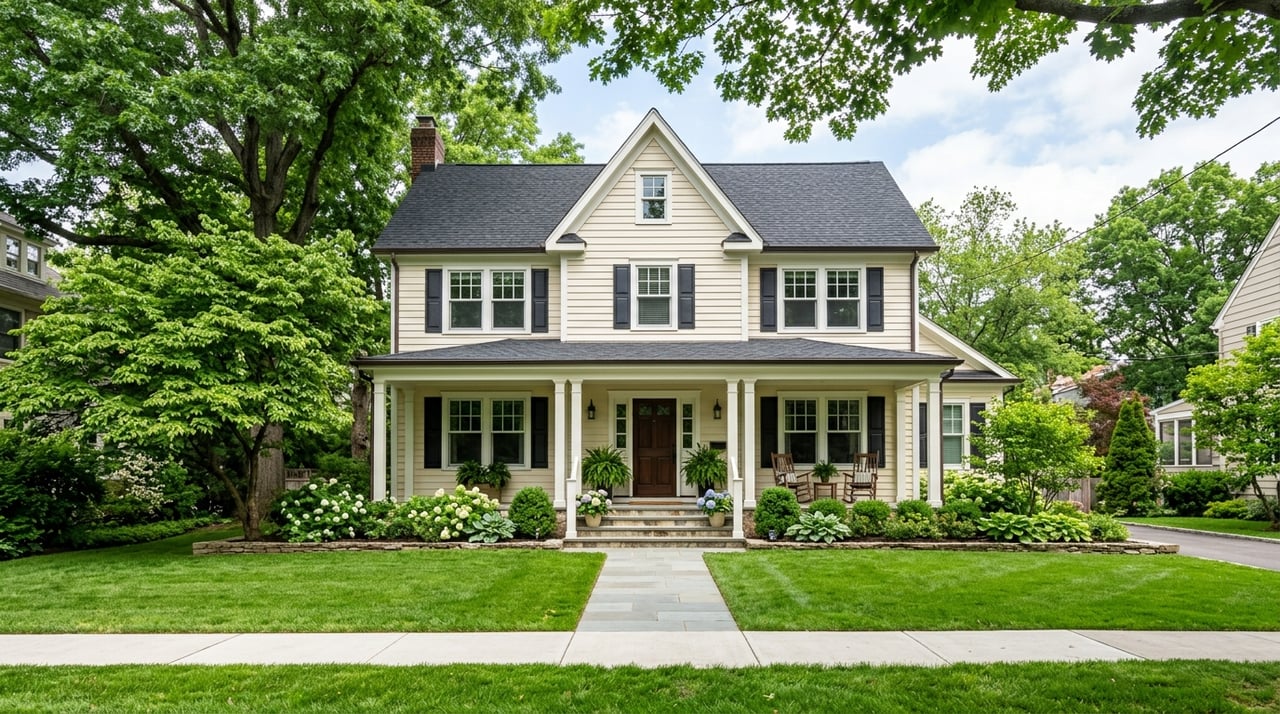
Moving to Maryland? The Ultimate 2026 Relocation Guide
(From a Realtor Who’s Done It Herself)
This guide is your complete relocation roadmap for moving to Maryland — covering cost of living, schools, job markets, weather, neighborhoods, and real estate insights you need before buying or renting in 2026.
If you’re researching moving to Maryland, you’re probably wondering:
-
What is the cost of living in Maryland?
-
Are Maryland schools good?
-
What counties are best for families?
-
What is the job market like?
-
Is Maryland expensive?
-
What’s the weather really like?
My name is Shari Arciaga, and I moved to Maryland from California in 2007 with 2 babies, 2 dogs, and 1 very confused west-coast husband — and the culture shock was REAL. Now, as Your Maryland Relocation Realtor, I help people move here from all over the world, every single week.
This is your complete, data-driven guide to living in Maryland — structured to give you clear answers fast.
But if you prefer something you can download or print, I have that too in my Ultimate Moving to Maryland Guide.
Where Is Maryland Located — And Why It Matters
Maryland sits at the intersection of the North and South and includes:
-
Appalachian Mountains in the west
-
Rolling Piedmont hills in central Maryland
-
Atlantic Coastal Plain and Eastern Shore
That geographic diversity means you can:
-
Ski in western Maryland
-
Boat on the Chesapeake Bay
-
Enjoy beach life in Ocean City
-
Live suburban near Washington, DC
-
Experience city life in Baltimore
Few states offer this much variety in such a small footprint.
Maryland Population & Density
Maryland has approximately 6 million residents.
It is one of the most densely populated states in the country, particularly in:
-
Baltimore Metro
-
Washington, DC suburbs
-
Central Maryland
Maryland includes 23 counties plus Baltimore City, each operating under its own local government structure.
Why that matters:
-
Property taxes vary by county
-
School districts vary
-
Zoning laws vary
-
Development patterns vary
When relocating to Maryland, choosing where you live is one of the most important decisions you will make.
Cost of Living in Maryland (2026)
Median Home Price: Approximately $450,000
Median Rent: Approximately $1,700+
Important: These are state averages. Pricing varies significantly by region.
-
DC suburbs: Higher price points
-
Howard County: Competitive with strong schools
-
Carroll County: More land and space for your dollar
-
Baltimore Metro: Wide range of pricing
-
Eastern Shore: Seasonal and waterfront variation
If you're relocating from a lower cost state, Maryland may feel more expensive. If you're relocating from California, New York, or Northern Virginia, it may feel more balanced.
Maryland Jobs & Economy
Maryland consistently ranks among the highest median household income states in the U.S., with median household income approximately $135,000.
Major industries include:
-
Government and federal agencies
-
Military (Fort Meade)
-
Healthcare and biotech
-
Information technology
-
Education
-
Defense contractors
Major employers include:
-
Johns Hopkins
-
University of Maryland System
-
National Institutes of Health
-
Northrop Grumman
-
Lockheed Martin
-
MedStar Health
Maryland’s proximity to Washington, DC heavily influences employment stability and opportunity.
Are Maryland Schools Good?
Maryland public schools are widely recognized for strong performance.
-
High school graduation rate: Approximately 88%
-
Student-to-teacher ratio: Around 14:1
-
High per-pupil spending compared to national averages
Maryland is currently implementing the Blueprint for Maryland’s Future, increasing long-term education funding significantly.
It's important to know that student performance varies by district and school. If schools are a priority for your move, county and neighborhood research is critical. I'm here to help!
Maryland Weather
Maryland experiences four distinct seasons.
-
Winter average: Mid-20s°F
-
Summer average: Mid-80s°F
-
Annual rainfall: 40–45 inches
-
Snowfall: 10 inches in some regions, 100+ inches in western mountain areas
If you are relocating from a warm-weather state:
Yes, it snows.
Yes, you will need a coat.
Yes, you will learn what black ice is.
But you also get spring blooms, colorful fall foliage, and true seasonal variety.
Airports & Transportation
Maryland is served by:
-
Baltimore/Washington International (BWI)
-
Reagan National (DCA)
-
Dulles International (IAD)
Public transportation includes:
-
MARC Train
-
Maryland Transit Administration (MTA)
-
Washington Metro (WMATA)
-
BaltimoreLink
This is especially valuable for federal employees, military families, and DC commuters.
Outdoor Life in Maryland
Maryland offers an exceptional outdoor lifestyle:
-
1,000+ miles of hiking trails
-
4,000+ miles of Chesapeake Bay shoreline
-
18 National Parks
-
50+ State Parks
You can:
-
Hike the Appalachian Trail
-
Bike the C&O Canal
-
Kayak in Annapolis
-
Visit Deep Creek Lake
-
Spend weekends in Ocean City
Lifestyle is one of the most pleasant relocation surprises for many families.
Healthcare Access
Maryland is nationally recognized for healthcare quality and research institutions, including:
-
Johns Hopkins Hospital
-
University of Maryland Medical Center
-
Walter Reed National Military Medical Center
For many relocating families, access to top-tier medical facilities is a significant benefit.
Maryland Culture & Lifestyle
Maryland blends history, sports, waterfront living, and strong community identity.
-
Baltimore Ravens (NFL)
-
Baltimore Orioles (MLB)
-
Historic sites like Fort McHenry
-
The Maryland Renaissance Festival
-
Hundreds of museums and cultural venues
And yes — Maryland blue crabs are a way of life.
Why Work With a Relocation Specialist?
Relocating to Maryland is different from moving across town.
You’re navigating:
-
New tax structures
-
New school systems
-
Different county regulations
-
Commuting patterns
-
Housing market differences
I’ve lived the relocation experience personally.
I understand the culture shift.
I understand the research overload.
I understand the anxiety that comes with moving your family across state lines.
Now, I help families relocate to Maryland every week.
If you’re searching:
-
Best Realtor for moving to Maryland
-
Maryland relocation expert
-
Cost of living in Maryland
-
Is Maryland a good place to live
-
Moving to Maryland checklist
You’re in the right place.
Frequently Asked Questions About Moving to Maryland
Is Maryland expensive to live in?
Maryland’s cost of living varies significantly by region. Areas near Washington, DC and parts of Central Maryland tend to have higher home prices and property taxes, while western Maryland and portions of the Eastern Shore may be more affordable. The statewide median home price is around the mid-$400,000s, but housing costs depend heavily on county, commute, and school district. When relocating, comparing counties and even neighborhoods is more important than looking at state averages.
What salary do you need to live comfortably in Maryland?
The salary needed to live comfortably in Maryland depends on lifestyle, housing choice, and location. In many suburban areas near Baltimore and Washington, DC, households earning six figures often find housing more manageable. Maryland’s median household income is among the highest in the United States, which reflects the strong job market and federal employment presence.
What are the best counties to live in Maryland?
The “best” county depends on your priorities.
-
Howard County is often known for strong schools and suburban convenience.
-
Carroll County offers more rural space and lower density living.
-
Anne Arundel County provides access to the Chesapeake Bay and Annapolis.
-
Baltimore County offers a wide range of neighborhoods and price points.
If commuting to DC is important, Montgomery and Prince George’s Counties may also be considerations.
When relocating to Maryland, commute patterns and school preferences usually guide the decision.
Does Maryland have four seasons?
Yes. Maryland experiences four distinct seasons. Winters can include snow (especially in western Maryland), springs are mild and colorful, summers are warm and humid, and fall features vibrant foliage. Weather varies by region, with mountain areas seeing more snowfall and coastal areas having milder winters.
What is the housing market like in Maryland?
Maryland’s housing market varies by region but is generally competitive in the Baltimore Metro region and DC-adjacent counties. Inventory levels, price trends, and days on market fluctuate throughout the year. Relocating buyers often benefit from working with a local Realtor who understands county-specific market patterns and pricing differences.
Are property taxes high in Maryland?
Property tax rates vary by county and municipality. Maryland’s effective property tax rate is moderate compared to some northeastern states but higher than many southern states. It’s important to compare county tax rates before choosing a location, as local taxes can affect overall affordability.
How far is Maryland from Washington, DC?
Many Maryland suburbs border Washington, DC directly. Commute times depend on location and traffic patterns. Cities like Bethesda, Silver Spring, and parts of Prince George’s County are minutes from DC, while other areas in Central Maryland may have longer drive times but offer more space and lower density living.
What industries are strong in Maryland?
Maryland has strong employment in government, defense, healthcare, biotechnology, education, and technology. Major employers include federal agencies, military installations, hospital systems, and research institutions. This contributes to the state’s relatively high median household income.
Is moving to Maryland worth it?
For many people, yes. Maryland offers strong job markets, diverse landscapes, access to major metropolitan areas, quality healthcare, and varied lifestyle options. The key is choosing the right county and neighborhood based on your goals.
Relocation planning is different than local moving, and understanding the regional differences across Maryland is critical to making a confident decision.