Thinking about moving to Howard County from out of state? You are not alone. With a central location between Baltimore and Washington, strong schools, and a wide mix of neighborhoods, the area draws transferees every year. The challenge is sorting out costs, commutes, schools, and logistics from a distance. This guide gives you a clear plan, local context, and links to the official resources you will actually use. Let’s dive in.
Why Howard County works for out-of-state movers
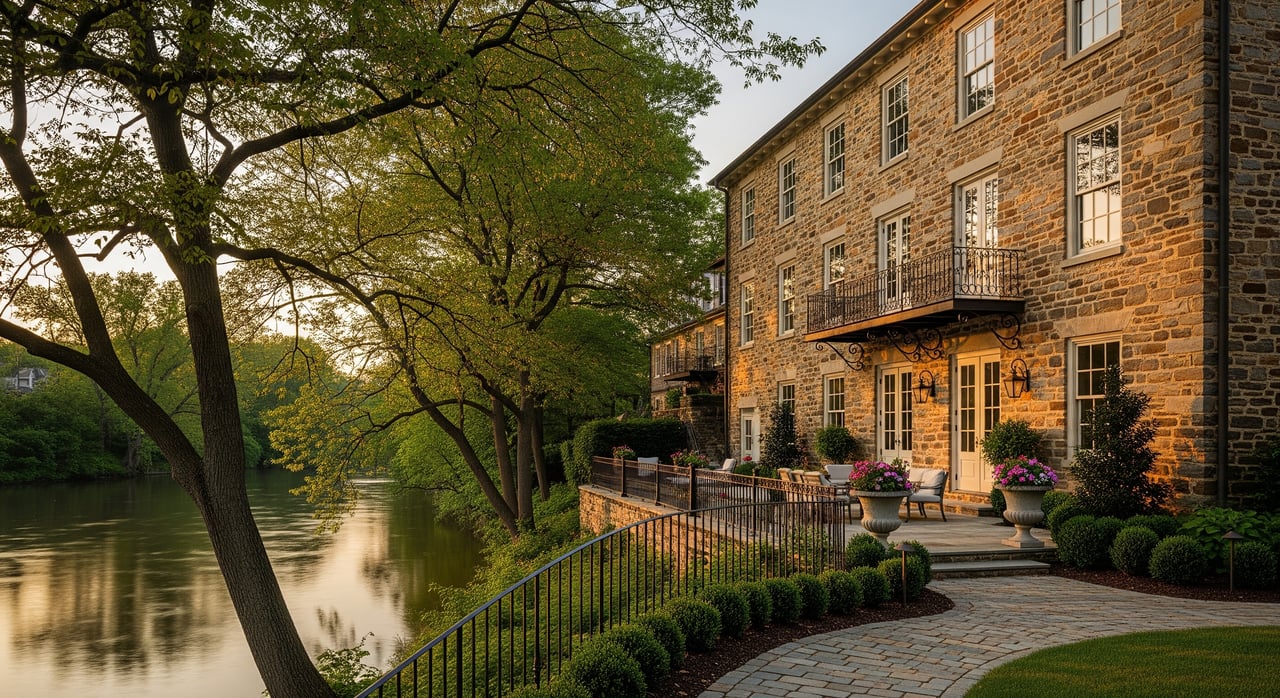
Howard County sits between two major job hubs, which makes daily life practical whether you head toward Baltimore or D.C. The county includes the planned community of Columbia, historic Ellicott City, and more rural west-county areas. You will find a range of home types and neighborhood feels within a short drive. Start with the county overview to see how everything fits together on the map at the official Howard County “About” page.
The scale and services may surprise you. The population is about 339,668, with a median household income near $149,700 and a mean commute time of about 28.5 minutes. These indicators point to well-resourced services and a strong commuter base. See the latest figures on U.S. Census QuickFacts for Howard County.
If schools are on your radar, the Howard County Public School System (HCPSS) is a major draw for many families. HCPSS reported a Class of 2024 graduation rate of 93.54 percent, which was above the Maryland average. You can explore enrollment, transportation, and registration details on the HCPSS site and view the graduation-rate update in the HCPSS news release.
Neighborhoods at a glance
Choosing an area is easier when you match neighborhoods to your top priorities. Here is a quick way to think about it.
Family-friendly village living: Columbia
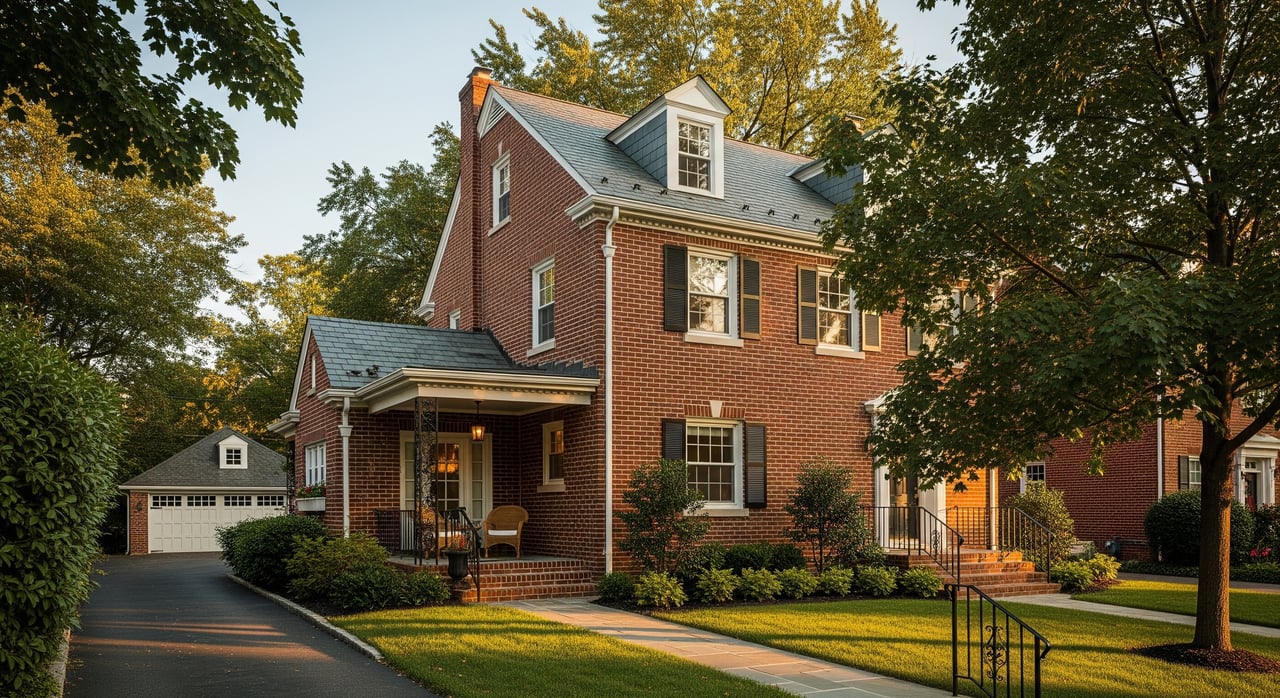
Columbia’s villages, like Wilde Lake, Owen Brown, and Kings Contrivance, were planned with parks, paths, and village centers. You will find community amenities close by and a predictable layout that helps you settle in fast. Ask your agent to confirm any village association participation and fees at specific addresses, including whether the home falls under the Columbia Association.
Historic town feel: Ellicott City
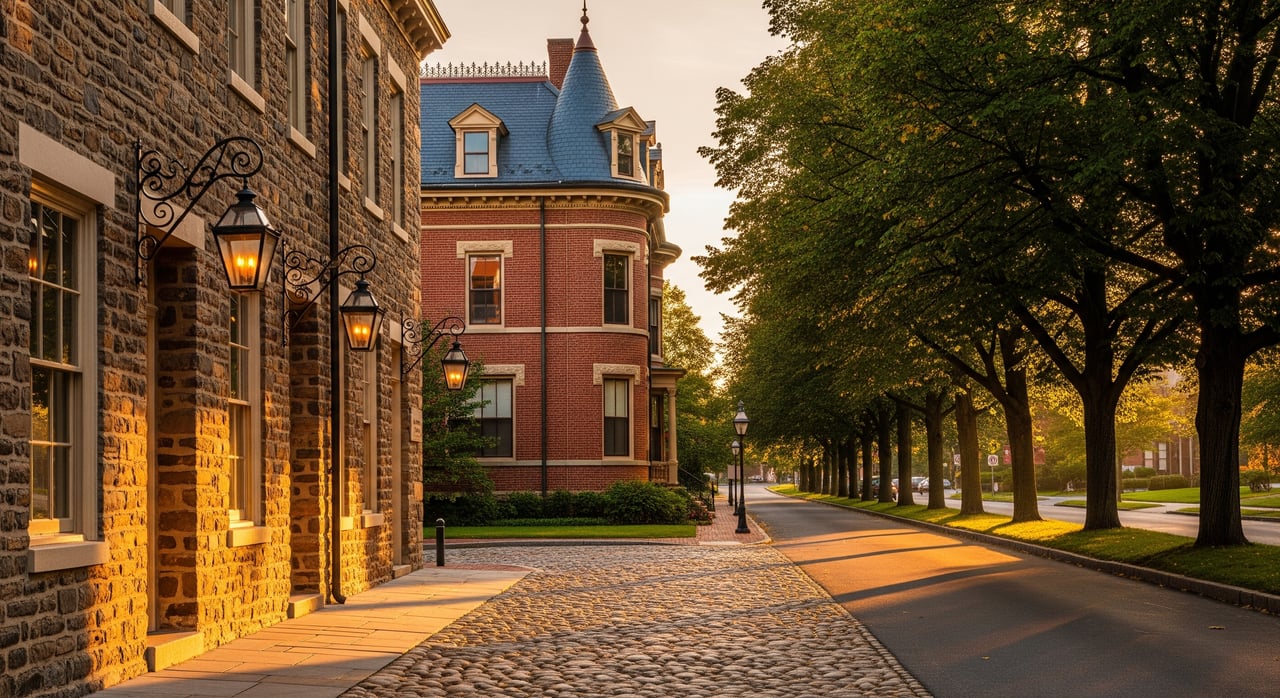
Ellicott City blends a charming Main Street area with nearby established neighborhoods and older homes. Be aware that parts of Historic Ellicott City sit in a flood-prone valley. The county is advancing major mitigation projects under the Ellicott City Safe & Sound program. If you like this area, review property disclosures carefully and consider flood insurance where applicable.
More space and luxury: Clarksville, Glenelg, Dayton
The west and northwest parts of the county often feature larger lots and higher-end single-family homes. If you want space and a more rural feel with upscale finishes, start here. Expect price points to trend higher than many pockets of Columbia or south-county areas.
Commuter-convenient south: Laurel, North Laurel, Jessup, Savage
These neighborhoods sit closer to I-95 and other major corridors. If you work around Fort Meade, Baltimore, or points south, this area can cut your drive. Housing types vary, so you can balance convenience with budget.
What homes cost right now
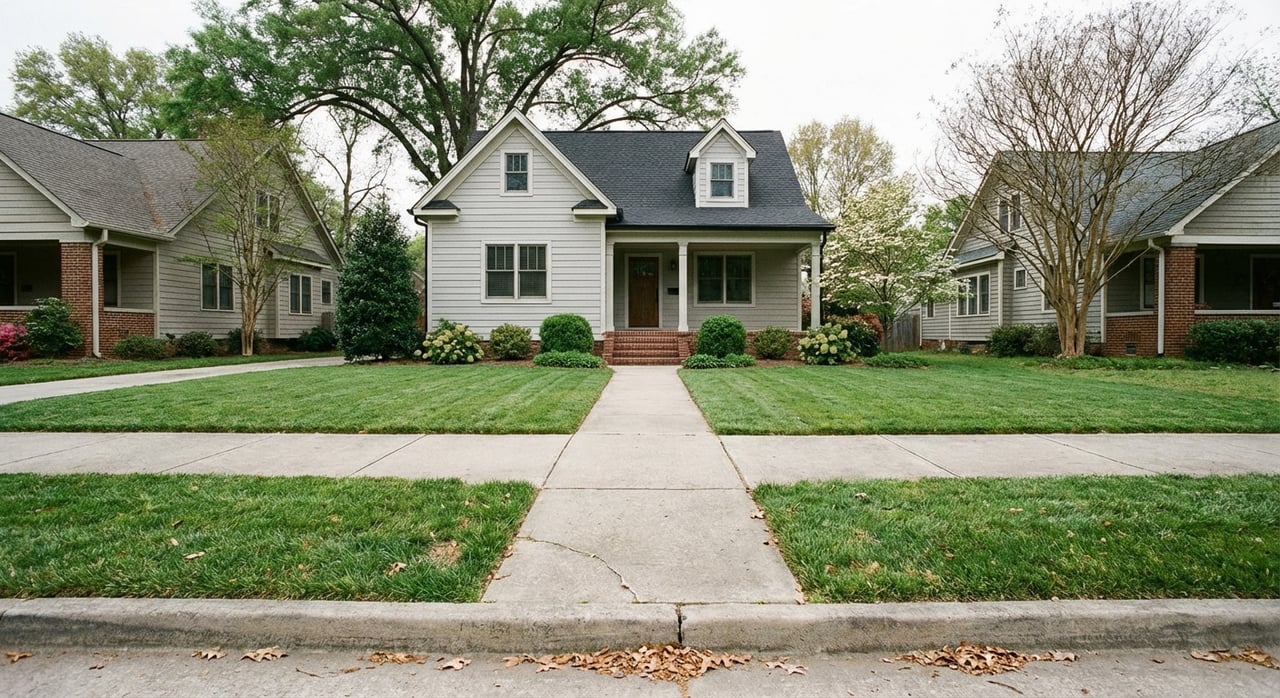
Home values vary widely by neighborhood and data source. As a baseline, the Census reports a countywide median value of owner-occupied homes around $597,900. Market trackers also publish estimates that move with monthly sales. For example, recent snapshots showed a Howard County home-value index in the low $600,000s and a median sale price just above $500,000. Differences come from methods and time frames, so focus on your target communities and recent comparable sales. You can confirm the countywide median on Census QuickFacts and ask your agent for address-level comps.
Practical tip: set a price range, then look at three tiers of homes in each target neighborhood. That gives you a sense of the trade-offs between location, lot size, age, and finish level.
Your 12-week move plan
Staying on track is easier when you follow a simple timeline. Use this as a starting point and adjust to your situation.
12 to 16 weeks out
- Shortlist 3 to 6 neighborhoods by your priorities: commute, price, home type, walkability, and school feeder patterns. Use the HCPSS site to review enrollment steps and school resources.
- Interview local buyer’s agents who work with out-of-state clients. Ask about live video tours, recorded walkthroughs, and offer strategies when you cannot attend in person.
6 to 8 weeks out
- Get mortgage pre-approval if you plan to buy. Virtual pre-approvals are common and help you act fast.
- Schedule virtual showings and any in-person visit you can make. Ask about inspection contingencies and whether sellers might allow a short post-closing leaseback if you need extra time to arrive.
- Review new-resident requirements. Maryland expects new residents to obtain a driver’s license and to title and register vehicles within 60 days. See the official MDOT MVA “New to Maryland” page for documents and appointments.
4 to 6 weeks out
- If buying, coordinate inspections and repairs with your agent. Confirm how your settlement company handles remote signings and identity checks. Maryland permits remote online notarization under state rules. Learn how it works in the National Notary Association’s Maryland RON guide, and verify your title company’s specific process.
- If renting, lock the move-in date, deposits, and utility transfers. Confirm mailbox and key pickup instructions.
0 to 2 weeks out
- Submit a USPS Change of Address online and update banks, insurance, your employer, and subscriptions. See the USPS Change of Address basics for timing and options.
- If you plan to drive your current car in Maryland, reserve your MVA visit now so you meet the 60-day deadline for your driver’s license and vehicle title and registration. Double-check proof-of-insurance and inspection needs on the MDOT MVA page.
Closing and arrival week
- Keep key documents handy: ID, purchase contract or lease, lender contacts, settlement details, and school records.
- Set up utilities, internet, trash and recycling, and water and sewer. Vendor coverage can vary by block, so confirm the exact providers with the seller, landlord, or your settlement paperwork.
- If you need ongoing care, establish primary-care and specialist appointments early. The local community hospital is part of Johns Hopkins Medicine. See the hospital’s current name and affiliation in this Hopkins Medicine update.
Must-do local logistics checklist
- Driver’s license and car registration. New residents usually have 60 days to transfer your license and to title and register vehicles. Confirm documents and book appointments on the MDOT MVA site.
- Mail forwarding and address updates. File online, then update financial, insurance, employer, and subscription accounts. Follow the USPS COA guidance.
- Schools and busing. Review enrollment, immunization, residency, and transportation details on the HCPSS website. Mid-year moves are common. Start early to avoid delays.
- Healthcare. Identify nearby primary care and any specialists. For county hospital services and context, see the Johns Hopkins Medicine news release.
- Utilities, trash, and recycling. Providers and collection days differ by address. Use your settlement packet and the county’s About Howard County page as a starting point, then confirm by property.
Remote-buyer tips for a tight market
Inventory can be limited at certain price tiers, and desirable homes may move fast. Here is how to compete from a distance without feeling rushed.
- Lean on live video. Ask for real-time walkthroughs focusing on systems, street context, and noise. Request short exterior videos that show the block, not just the house.
- Use smart contingencies. Inspection, appraisal, and financing protections are normal. Your agent can help tailor timelines so you stay competitive while protected.
- Consider flexible possession. Short leasebacks or delayed possession can bridge the gap between closing and your arrival.
- Plan for remote closing. Maryland allows RON under state rules. Confirm your settlement company’s platform and ID steps, and test your tech a few days early using the NNA’s Maryland RON overview as a reference.
Flood and insurance notes
If Ellicott City is on your list, know that lower Main Street and nearby corridors have seen severe flash floods in past years. The county is executing multi-year mitigation through the Ellicott City Safe & Sound program. Review disclosures, check flood maps, and talk with your insurance pro about coverage. Your agent can also point you to current county updates as projects progress.
Ready to make your move easier?
You do not have to figure this out alone. If you want a local, step-by-step plan, video tours that answer your real questions, and a smooth handoff from offer to keys, reach out to Shari Arciaga. Download the Ultimate Moving to Maryland Guide and get a custom move plan for your timeline and budget.
FAQs
Do I need to visit before buying in Howard County?
- A pre-offer visit is ideal, but many buyers make strong offers after detailed virtual tours plus inspection and appraisal contingencies. Your title and settlement team can also support remote closing.
When should I transfer my license and register my car in Maryland?
- Maryland typically expects new residents to transfer a driver’s license and to title and register vehicles within 60 days. Check documents and appointments on the MDOT MVA “New to Maryland” page.
What if I move mid-year and need to enroll my child in HCPSS?
- Mid-year moves happen often. Review enrollment requirements, immunizations, residency proof, and transportation on the HCPSS website and contact the assigned school early.
Are virtual closings and online notarizations allowed in Maryland?
- Yes. Maryland permits remote online notarization by registered notaries. Confirm your title company’s process and tech steps. See the NNA’s Maryland RON guide for an overview.