Torn between Ellicott City and Catonsville? You are not alone. Both offer character, convenience, and quick access to Baltimore and the I‑95 corridor, but the day‑to‑day experience can feel very different. In this guide, you will compare housing, price expectations, commute options, outdoor access, and the dining scene so you can picture life in each place and choose with confidence. Let’s dive in.
Ellicott City vs. Catonsville at a glance
Ellicott City centers on a historic Main Street in Howard County with a strong sense of place and weekend tourism energy. You will find preserved stone and brick buildings near the Patapsco River, plus larger subdivisions and newer communities as you move outward. The vibe is scenic, historic, and a touch destination‑oriented, which you can feel when you stroll the downtown highlighted by the area’s visitor resources from Visit Howard County.
Catonsville sits in Baltimore County as a classic inner‑ring suburb along Frederick Road. It has a compact village feel, everyday local businesses, and close ties to Baltimore’s jobs and services. The feel is more neighborhood‑centric and practical for day‑to‑day errands, with quick access to the beltway and city amenities.
Housing options and price expectations
Ellicott City housing at a glance
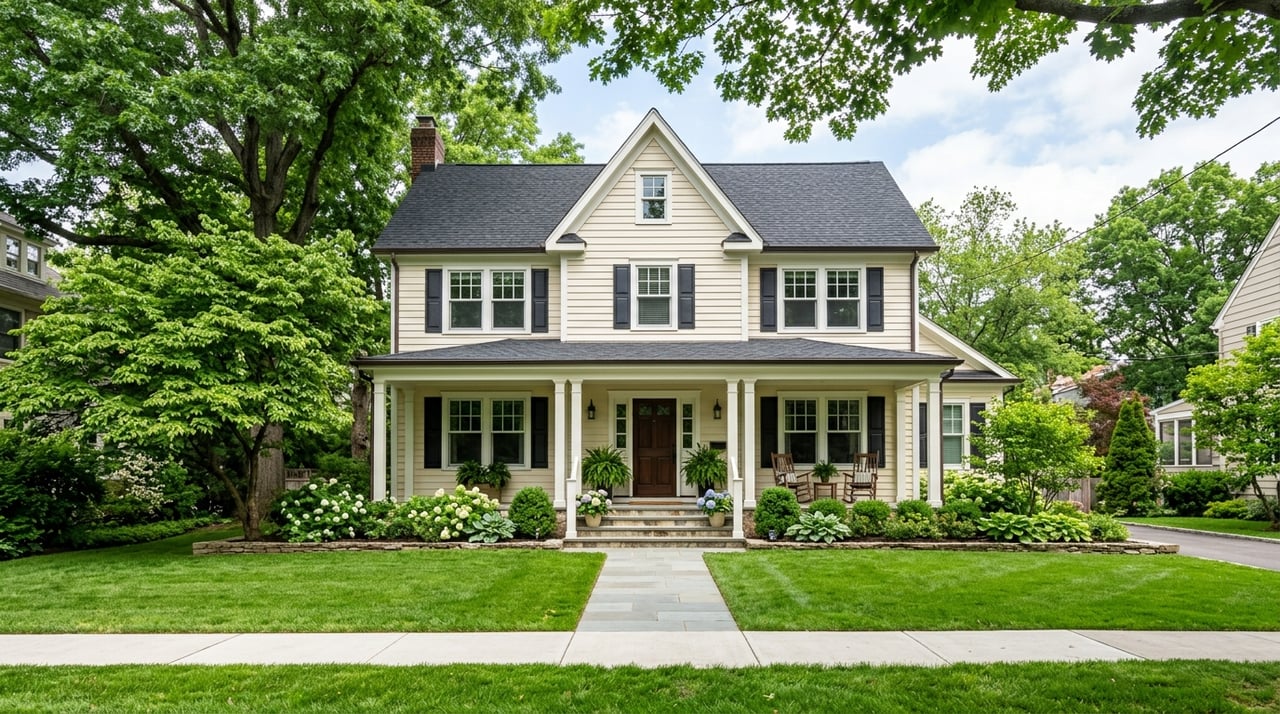
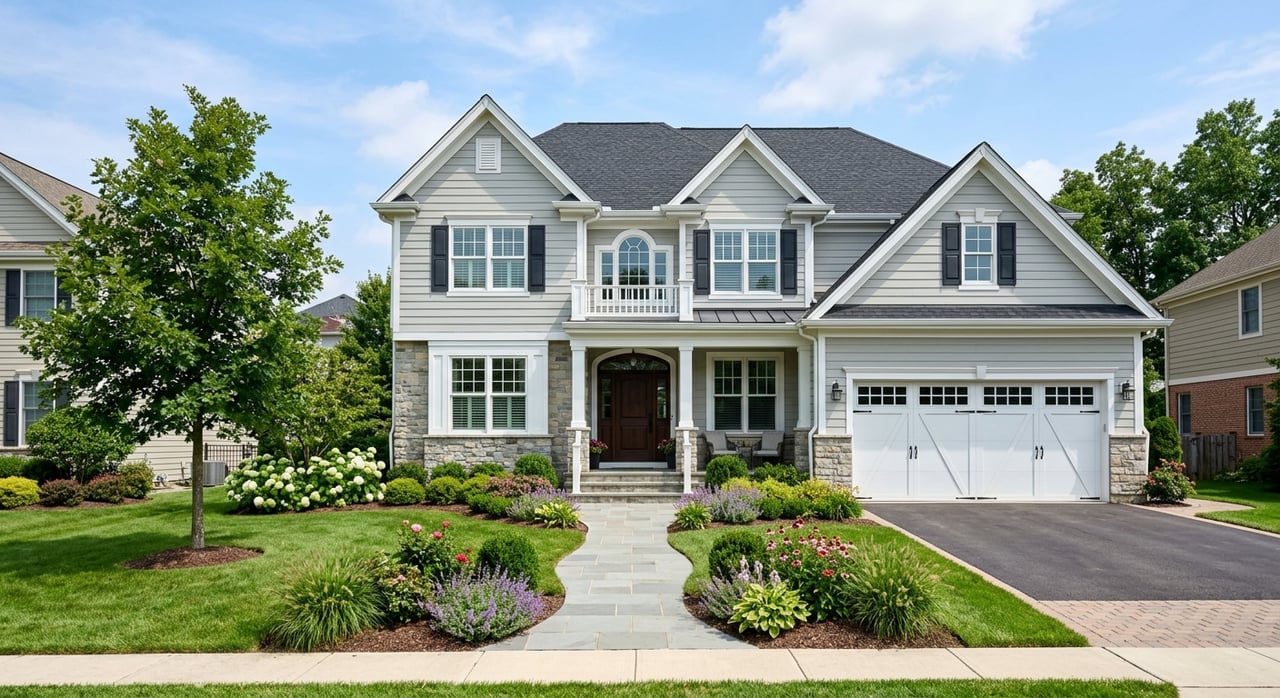
Near the historic core, you will see 18th and 19th‑century homes on tighter lots, some mixed with storefronts and apartments above retail. As you move out, inventory shifts toward larger single‑family colonials, split‑levels, and custom builds, plus townhouse and condo communities. Lot sizes and home footprints tend to be larger on average than in Catonsville.
Catonsville housing at a glance
Close to Frederick Road, housing includes smaller older homes with porches, low‑rise apartments over shops, and duplexes. Across the neighborhoods you will find bungalow cottages, colonials, mid‑century ranches, and a range of townhomes. Lots are generally smaller, reflecting earlier suburban patterns and proximity to Baltimore.
What your budget may buy
- Ellicott City commonly commands a premium. Many homes list from the mid‑$400s on the lower end for smaller or older properties, with $700k to $900k+ typical for larger single‑family homes or newer construction in higher‑end enclaves.
- Catonsville often offers more options in the low‑$200s to mid‑$400s for single‑family and townhome inventory, with fewer higher‑end listings than Ellicott City.
These ranges are directional and markets move quickly. In Howard County, lower inventory often creates more buyer competition across price points. Catonsville typically has more turnover among smaller, older homes, which can open doors for moderate budgets.
Buyer watchouts and ownership costs
Both areas have many older homes, so plan for maintenance and updates. Ellicott City’s historic downtown sits in a narrow river valley and has experienced significant flash floods in recent years. If you are considering a property near the floodplain, review flood history, potential insurance needs, and local mitigation updates. For background, you can explore regional coverage from the Baltimore Sun and check project resources through Howard County government.
Property taxes and total ownership costs vary. Higher assessed values in Howard County often mean higher absolute tax bills even when rate structures differ. For county services, tax resources, and permitting details, start with Howard County government and Baltimore County government before finalizing your budget.
Commute and regional access
Ellicott City connects via US‑40, MD‑144, I‑70, MD‑29, and MD‑100. Commuting to downtown Baltimore usually means US‑40 or I‑70 to I‑695, with off‑peak runs around 20 to 40 minutes from many neighborhoods, but longer at rush hour. For DC‑bound trips, residents often use I‑95 through I‑695 or MD‑100, with wide variability depending on time of day.
Catonsville sits closer to Baltimore city. The Frederick Road corridor, I‑695, and nearby I‑95 and I‑70 make it a practical launchpad into the city and throughout the metro. Many residents report 15 to 30 minutes off‑peak to downtown Baltimore from parts of Catonsville, with typical rush‑hour slowdowns.
Public transit is available but varies by route and schedule. Both areas offer regional buses and park‑and‑ride options, while daily commuter rail requires a drive to a station. For MARC, bus, and express services, verify current schedules with the Maryland Transit Administration and local county commuter resources.
Parks, trails, and outdoor life
Both towns share a major advantage: easy access to Patapsco Valley State Park. The park offers miles of trails, historic sites, and river recreation, and it touches daily life in both communities. Ellicott City’s historic district sits right by Patapsco access points, while Catonsville also borders trailheads popular with hikers and mountain bikers. For trail maps, facilities, and seasonal updates, use the Maryland Department of Natural Resources pages.
Beyond the park, Ellicott City residents benefit from Howard County’s network of neighborhood parks, greenways, and recreation facilities. Catonsville’s village parks, stream‑side green spaces, and proximity to Baltimore County and city recreation add options for sports and urban trails. If you are targeting a riverside property in either place, include flood‑plain research in your due diligence.
Dining, walkability, and local character
In Ellicott City, Main Street is the centerpiece. You will find cafés, bakeries, bistros, and boutique shops that draw visitors on weekends. Suburban retail nodes carry the usual grocery anchors and casual dining nearby. For a feel of the historic district’s experience and events, browse the area’s visitor guides from Visit Howard County.
Catonsville’s Frederick Road corridor leans everyday and neighborhood‑centric, with long‑running local restaurants, casual pubs, and a mix of cuisines. Many residents also dip into nearby Baltimore neighborhoods for expanded dining and nightlife. For general culinary coverage around the region, you can follow local reporting through the Baltimore Sun.
Walkability is concentrated around each town’s core. Ellicott City’s historic downtown is highly walkable, while many surrounding neighborhoods are more car‑dependent. Catonsville’s village center offers more contiguous walkable blocks into nearby residential streets. As you compare addresses, tools like Walk Score can help you gauge everyday walkability and errands.
Which town fits your lifestyle?
Choose Ellicott City if you want
- A scenic historic downtown with weekend energy and boutique dining.
- A larger share of bigger single‑family homes and newer upscale subdivisions.
- Immediate proximity to Patapsco trails from a classic Main Street setting.
Choose Catonsville if you want
- Shorter drives into Baltimore with quick access to I‑695 and I‑95.
- More comparatively affordable options across smaller single‑family homes and townhomes.
- A compact, everyday village core and a strong neighborhood feel.
Key tradeoffs to weigh
- Flood risk and insurance for properties near Ellicott City’s historic district. Investigate site‑specific history and coverage.
- Lot size and yard expectations. Ellicott City more often features larger lots; Catonsville tends to have tighter parcels.
- Older‑home maintenance in both towns. Plan for inspections and potential renovation budgets.
- Commute variability on I‑70, I‑695, and I‑95. If you need daily rail, confirm station proximity and parking.
How we help you decide with confidence
Relocating is a big move, and local nuance matters. You will get a clear, side‑by‑side plan tailored to your commute, budget, and lifestyle, plus vetted vendor referrals for inspections, insurance, and renovations. If you are early in the process, we can map neighborhoods on a video consult and build a shortlist for virtual or in‑person tours.
Ready to compare homes in both towns, line up commute test drives, and check flood considerations before you write an offer? Connect with Shari Arciaga for a personal plan, or ask for the Ultimate Moving to Maryland Guide to get started.
FAQs
What are the main differences between Ellicott City and Catonsville?
- Ellicott City offers a historic Main Street setting, larger homes on average, and a destination feel, while Catonsville is closer to Baltimore with a neighborhood‑centric village core and more affordable housing options.
How do commute times compare for Baltimore jobs?
- Many parts of Catonsville offer 15 to 30 minutes off‑peak into downtown Baltimore, while Ellicott City often runs 20 to 40 minutes off‑peak, with both seeing longer rush‑hour times depending on the route.
What should I know about flood risk in Ellicott City?
- The historic downtown sits in a river valley that has seen severe flash floods; if you are considering a property near the floodplain, review history, insurance options, and county mitigation efforts through official sources.
Are there good public transit options from either town?
- Both have regional buses and park‑and‑ride lots, but daily rail typically requires driving to a station; verify routes and schedules with the Maryland Transit Administration.
Which town feels more walkable day to day?
- Both have walkable cores, but Catonsville generally offers more contiguous walkable residential blocks beyond the village center, while many Ellicott City neighborhoods outside Main Street are more car‑dependent.