Thinking about buying an older home in Catonsville? You are not alone. For many buyers, the charm is the draw: deep front porches, unique rooflines, mature streetscapes, and details that feel hard to find in newer construction. If you are considering one of these homes, it helps to know where the charm usually comes with extra homework. Let’s dive in.
Why older homes are common in Catonsville
Catonsville has a long residential history, especially along Frederick Road and Rolling Road. Many of its neighborhoods grew from summer-home areas into full-time suburbs from the late 1800s through the mid-1900s.
That history still shows up in the housing stock today. The Old Catonsville Historic District and the Central Catonsville and Summit Park Historic District reflect that evolution, and Winters Lane adds another important part of Catonsville’s historic residential story.
For you as a buyer, that means older homes are not an exception here. In many parts of Catonsville, they are a major part of what gives the area its established feel and architectural variety.
What older Catonsville homes look like
One of the first things you may notice is that there is no single “Catonsville house style.” Instead, you will likely see a mix of home types and design details from different eras.
According to the Maryland Historical Trust, styles found in Catonsville include Queen Anne, Bungalow/Craftsman, Colonial Revival, Dutch Colonial Revival, Tudor Revival, American Foursquare, Cape Cod, ranch, Gothic Revival, Spanish Colonial Revival, vernacular I-houses, ell-house forms, and some Temple-front examples.
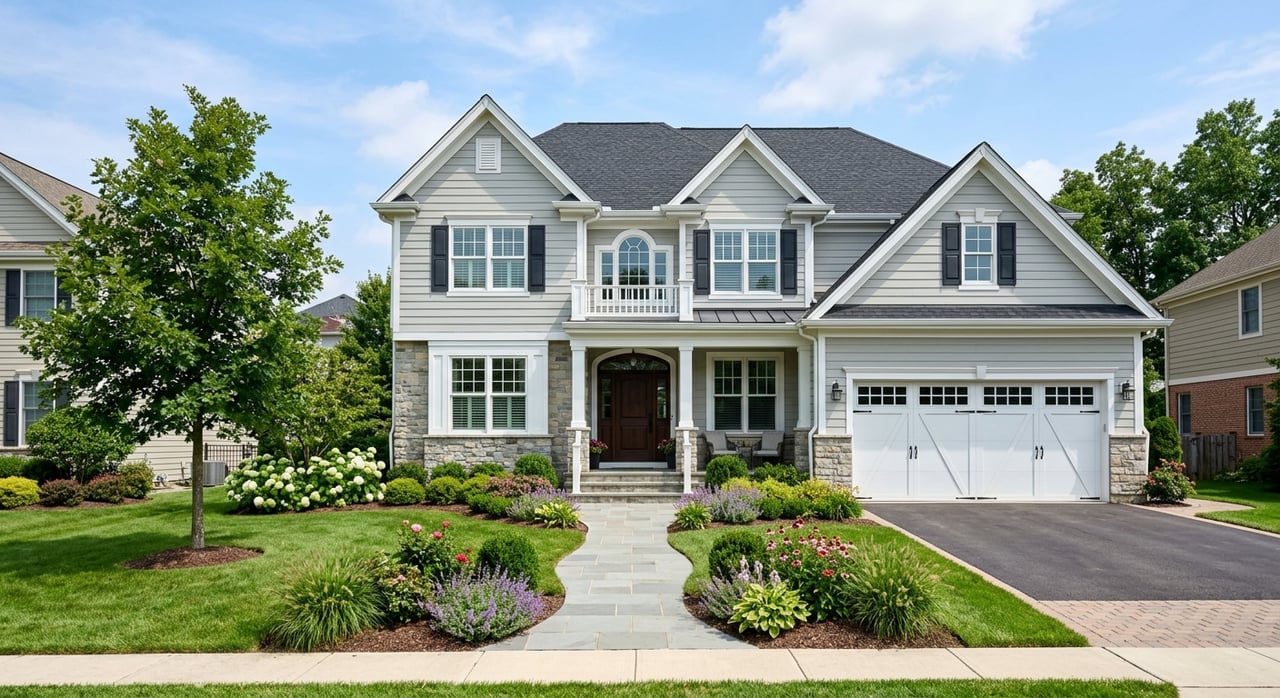
In everyday terms, that can mean a lot of visual variety from one block to the next. You may see wraparound porches, cross gables, dormers, freestanding garages, and different roof shapes that give each home a little more personality.
That character is often what buyers fall in love with. It is also why two homes with similar square footage can feel completely different when you tour them in person.
What updates to expect
Older homes usually show a mix of original features and later improvements. In Catonsville, that is especially true on the exterior.
Common change points include windows, siding, roofs, porches, decks, fences, garage doors, additions, and accessory structures. In fact, the Old Catonsville district notes that original garage doors are among the features most often changed over time.
That does not automatically mean there is a problem. It just means you should expect a layered house history, where some materials or features may be original, some may have been updated decades ago, and some may be more recent.
Historic district rules can affect exterior plans
If you are dreaming about buying an older home and immediately changing the outside, pause before making assumptions. In Baltimore County, exterior changes such as those listed above may require building permit review.
If the property is in a designated historic district or is landmarked, those same exterior changes may also require review by the Landmarks Preservation Commission. This matters because the rules for exterior work can be different from what buyers expect.
The good news is that interior work is generally treated differently. Baltimore County says the LPC generally does not review interior work unless it is part of a tax-credit project, and it also notes that some small maintenance projects fall outside LPC review.
Lead paint is one of the biggest older-home issues
If the home was built before 1978, lead should be part of your due diligence. Maryland says 95% of housing units built before 1978 contain lead paint, and EPA also notes that pre-1978 homes are more likely to have lead-based paint.
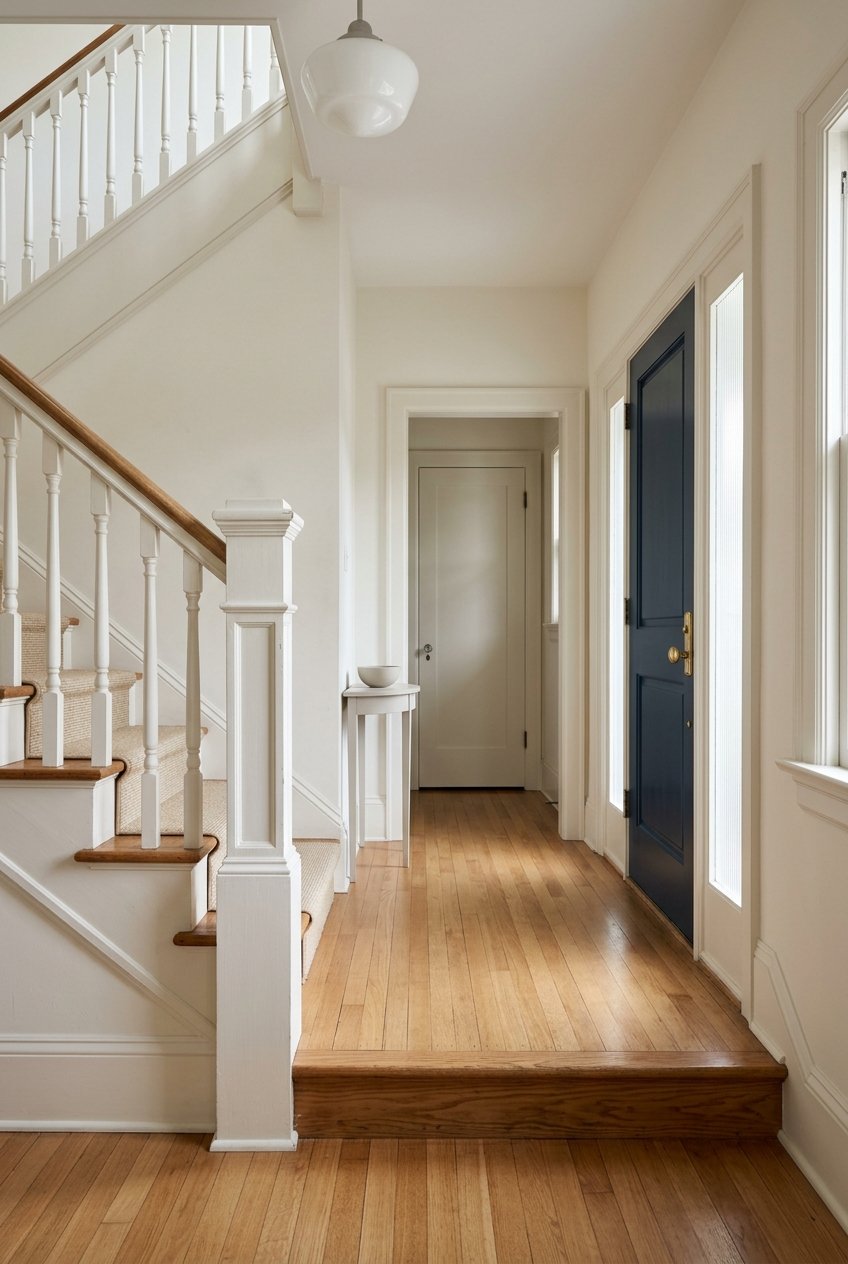
Lead hazards are especially common when paint is deteriorating. Areas like windows, doors, stairs, railings, and porches are important to pay attention to because wear and friction can create lead dust or expose older painted surfaces.
If you are buying an older Catonsville home, a lead inspection or risk assessment can be especially useful. EPA says this is particularly helpful when buying a home or before renovating one.
Asbestos may be present in older materials
Asbestos is another issue that can come up in older homes. Many building products used through the 1970s contained asbestos, including floor tiles, pipe and furnace insulation, roofing shingles, siding, textured paint, and patching compounds.
That does not mean every older home is unsafe or that every older material needs to be removed. Consumer safety guidance explains that intact asbestos-containing material is often best left alone, but damaged material or material that will be disturbed during renovation should be evaluated by trained professionals.
This is especially important if you plan to remodel soon after closing. A cosmetic project can turn into a more complex job if older materials need testing first.
Renovation can change the risk picture
A home may feel perfectly livable as-is, but renovation can raise new questions. In pre-1978 homes, work that disturbs lead-based paint can create lead dust.
EPA says contractor work that disturbs lead-based paint should be done by people trained in lead-safe work practices. So if you are thinking about sanding trim, replacing windows, opening walls, or reworking porches, it is smart to ask the right questions before the project starts.
EPA also notes that lead pipes are more likely in older cities and in homes built before 1986. As part of your due diligence, you may want to ask about the water service line and any known updates.
A smart inspection strategy for older homes
When you buy an older home, a standard home inspection is a starting point, not always the full picture. For many Catonsville buyers, the most practical approach is to combine the general inspection with targeted follow-up when needed.
That may include:
- A lead inspection or risk assessment for a pre-1978 home
- Asbestos testing if a suspect material is damaged or likely to be disturbed
- Contractor review for planned exterior changes that may require county permits or historic review
EPA and consumer safety guidance both recommend using certified or accredited professionals for lead and asbestos evaluation. That extra step can give you a clearer sense of what you are buying and what future work may involve.
Questions to ask before you buy
When you tour or investigate an older home in Catonsville, it helps to go beyond surface-level questions. A beautiful porch or updated kitchen is great, but you also want to understand the home’s history and any future limitations.
Here are some practical questions to ask:
- Has the home been tested for lead or asbestos?
- Which original materials are still present?
- Were prior additions or exterior changes permitted?
- Are there historic-review records for past exterior work?
- Is the property in a Baltimore County historic district or on the Landmarks List?
- Has the water service line been updated or evaluated?
These questions can help you avoid surprises. They can also help you budget more accurately if you plan to make improvements after closing.
Historic tax credits may be available
In some cases, there may be a financial upside to owning a historically designated property. Baltimore County and the Maryland Historical Trust both offer historic rehabilitation tax credit programs for qualifying properties.
Baltimore County says eligible work can include exterior repairs such as roof repair, window repair or replacement, painting, and stucco work. The property still has to meet program qualification standards, so not every older home will qualify.
If you are considering a property with historic status, this is worth asking about early. It may affect how you think about future repairs and improvements.
What the tradeoff really looks like
Older Catonsville homes can offer a lot that buyers love. You may get distinctive architecture, established surroundings, porches, gables, and details that feel more personal than what you often see in newer homes.
The tradeoff is that character usually comes with more due diligence. Lead, asbestos, permit history, exterior review rules, and renovation planning all deserve careful attention before you commit.
If you are relocating to Maryland or buying in Catonsville for the first time, this is where local guidance can make a big difference. The goal is not to scare you away from older homes. It is to help you buy one with open eyes and a solid plan.
If you are weighing Catonsville against other central Maryland communities, or trying to decide whether an older home fits your lifestyle and renovation comfort level, Shari Arciaga can help you sort through the details and move forward with confidence.
FAQs
What should you expect when buying an older home in Catonsville?
- You should expect more architectural character, a mix of original features and later updates, and extra due diligence around lead, asbestos, permits, and possible historic-review rules.
What home styles are common in older Catonsville neighborhoods?
- Older Catonsville homes can include Queen Anne, Craftsman, Colonial Revival, Dutch Colonial Revival, Tudor Revival, American Foursquare, Cape Cod, ranch, Gothic Revival, Spanish Colonial Revival, I-houses, and ell-house forms.
Why is lead paint important in older Catonsville homes?
- Maryland says 95% of housing units built before 1978 contain lead paint, so buyers should take pre-1978 homes seriously and consider a lead inspection or risk assessment.
When should you test for asbestos in an older Catonsville house?
- Testing is especially important if a suspect material is damaged or if you plan renovations that could disturb older floor tiles, insulation, siding, roofing, textured paint, or patching compounds.
Do historic district rules affect older homes in Catonsville?
- Yes. In designated historic districts or on landmarked properties, certain exterior changes may require Baltimore County permit review and review by the Landmarks Preservation Commission.
Can a buyer get tax credits for a historic Catonsville home?
- Possibly. Baltimore County and the Maryland Historical Trust offer historic rehabilitation tax credit programs for qualifying properties that meet program standards.