Are you torn between the charm of a historic Annapolis home and the easier layout of something newer? You are not alone. If you are relocating to Annapolis, this choice often comes down to what matters most in your daily life: architectural character, room count, layout, or how much coordination you want for future updates. This guide will help you understand the real differences so you can make a confident move. Let’s dive in.
Why this choice matters in Annapolis
Annapolis is not a place where all housing feels the same. The city has a deep historic identity, and that shows up in its streets, architecture, and housing stock.
The City of Annapolis says its 1695 Baroque town plan survives today, and the Colonial Annapolis Historic District is a National Historic Landmark District. The city also says it has more original 18th-century structures standing than any other U.S. city, which helps explain why buying here can feel very different from buying in a newer suburban market.
That difference still shows up in the numbers. In Annapolis, 15.5% of homes were built in 1939 or earlier, while 1.2% were built in 2020 or later. By comparison, Anne Arundel County has a newer housing base overall, with about one in four homes built in 2000 or later.
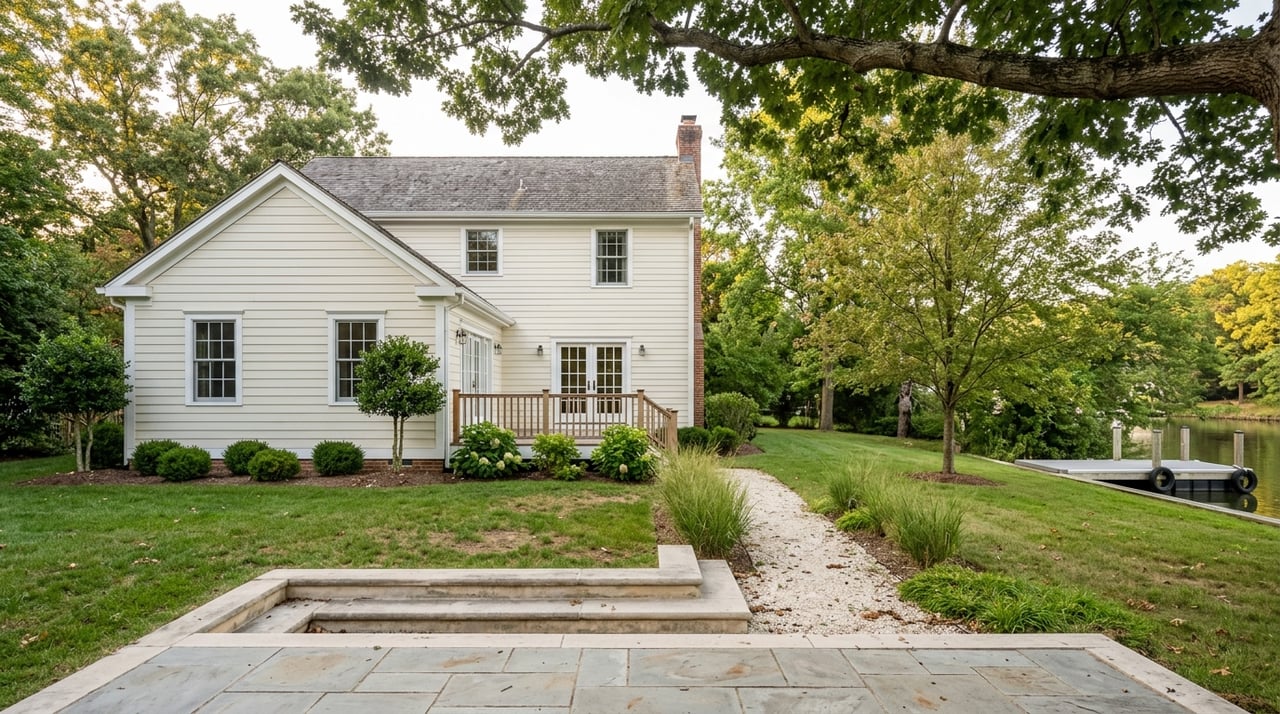
What historic homes look like
Historic Annapolis homes are not all one style. The city’s design manual identifies early vernacular homes, Georgian houses, and later styles like Italianate, French Second Empire, Queen Anne Revival, Shingle, and Colonial Revival.
That means “historic” can describe a wide range of homes. Some are narrow and vertically arranged. Others are larger and more formal, with symmetry, centered entrances, and more defined room separation.
For you as a buyer, the key takeaway is simple: historic does not always mean small. It often means a different flow, with more compartmentalized rooms and less of the open, casual layout many buyers expect in newer homes.
What newer homes usually offer
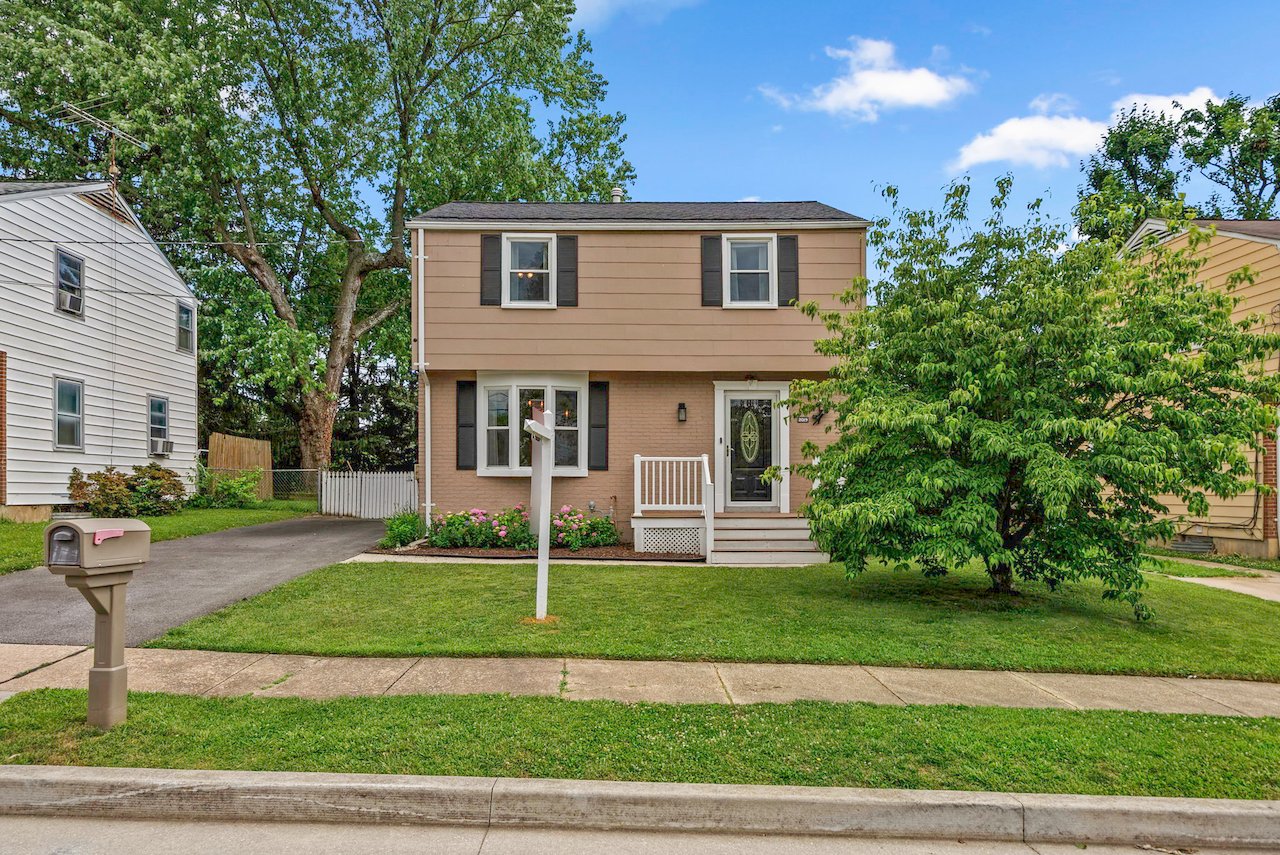
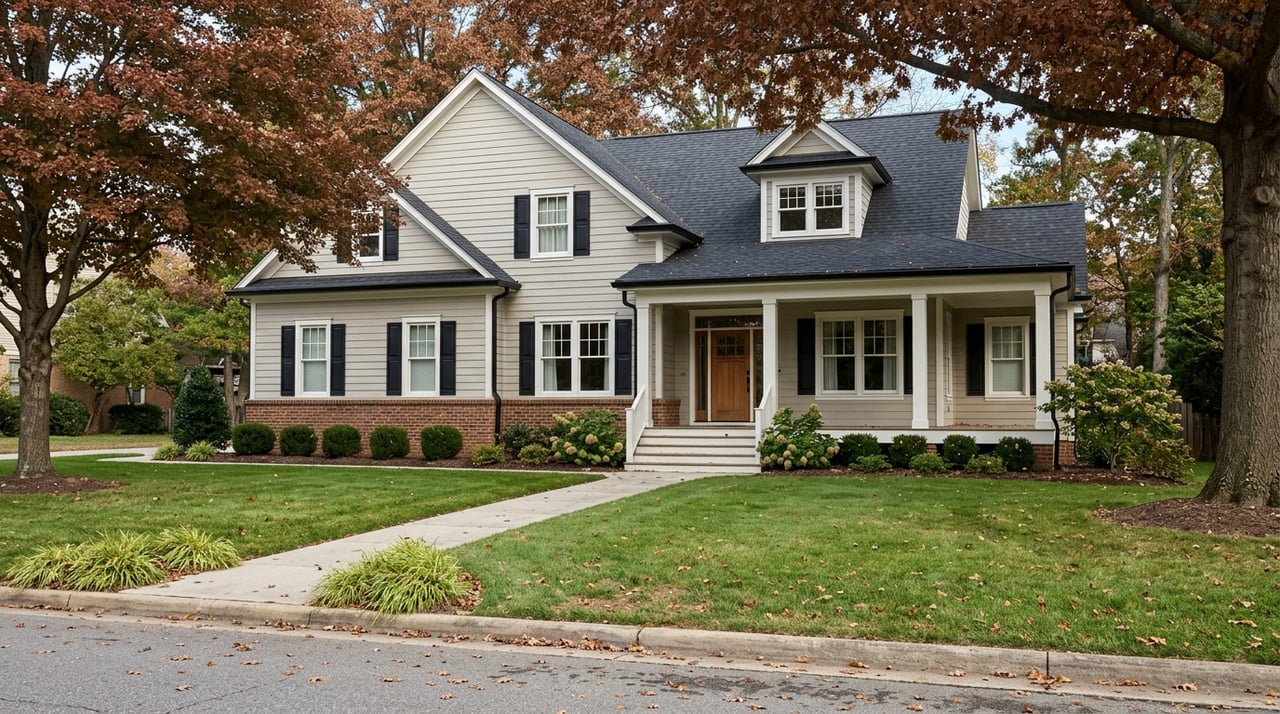
Newer homes in and around Annapolis often reflect a more suburban pattern. In Anne Arundel County, 59.5% of homes are detached single-family houses, and the housing stock tends to be newer and larger than what you will typically find in the city core.
That size difference is noticeable. Annapolis has a median of 5.6 rooms per housing unit, while Anne Arundel County has a median of 6.5 rooms. County homes also tend to offer more predictable bedroom counts, with 38.4% having 3 bedrooms and 26.7% having 4 bedrooms.
If you are moving from out of state, this often feels like a choice between a more historic in-town experience and a more spacious suburban setup. Neither is better across the board. It depends on how you live.
Historic vs newer at a glance
| Feature | Historic Annapolis homes | Newer homes in and around Annapolis |
|---|---|---|
| Character | Strong architectural identity and period details | More contemporary feel and layout |
| Layout | Often more segmented and formal | Usually more predictable and space-oriented |
| Size expectations | Varies widely by style and age | Typically larger on average |
| Exterior updates | May require historic review in the district | Usually fewer preservation-specific steps |
| Setting | Often tied to the city’s historic core | Often more suburban in feel |
Is a historic Annapolis home always smaller?
No, and this is one of the biggest misconceptions buyers bring into their search. Annapolis has everything from early single-pile vernacular homes to larger Georgian, Queen Anne Revival, and Colonial Revival houses.
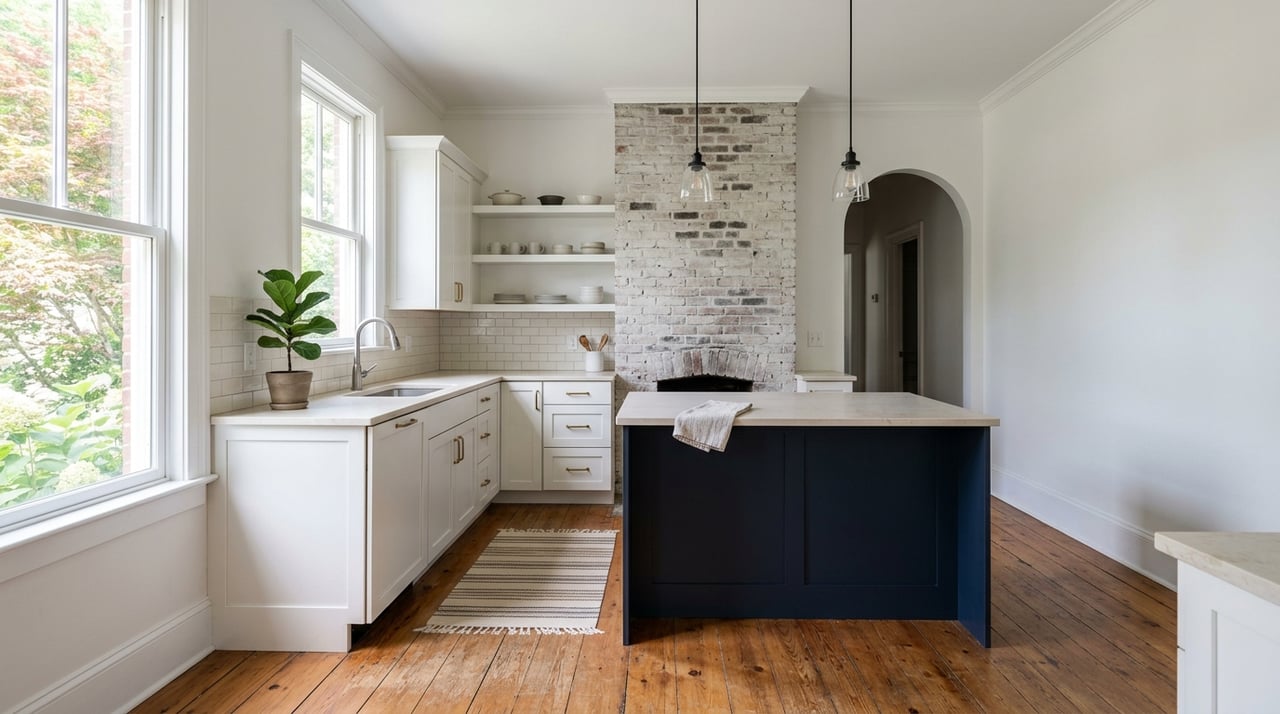
What is more accurate is this: older homes often use space differently. You may find narrower footprints, more vertical living, or rooms with more defined purposes instead of one large open living area.
The city’s housing profile supports that idea. In Annapolis, 31.2% of homes have 2 bedrooms, 34.8% have 3 bedrooms, and only 4.8% have 5 or more bedrooms. So while some historic homes are surprisingly spacious, many buyers will still notice a different scale and room pattern compared with newer county inventory.
How layouts affect daily life
Layout matters more than square footage for many buyers. A home can have plenty of charm and still feel less functional to you if the room arrangement does not match how you cook, work, host, or relax.
Historic homes often appeal to buyers who love separation between spaces. You may prefer a formal dining room, a distinct living room, or a floor plan with more privacy from room to room.
Newer homes often appeal to buyers who want a more flexible flow. If you picture larger kitchen-centered gathering spaces or more consistent bedroom counts, newer construction or newer resale options around Annapolis may feel easier right away.
What to know about exterior updates
If you buy in Annapolis’s Historic District, exterior work usually requires more planning. The city’s Historic Preservation Division reviews exterior changes in the district, evaluates materials and techniques, and provides technical assistance.
The city’s guidance is practical and clear: ask first and apply early. That is important if you are thinking ahead about exterior repairs, window changes, additions, or other visible updates.
This does not mean historic ownership is impossible or even unusual. It means you should expect a more deliberate process and factor that into your timeline, contractor planning, and long-term ownership expectations.
How newer construction fits in
Newer construction is not absent from the Annapolis conversation, but it fits differently here than it might in a typical suburban market. If new construction is placed in or near the Historic District, the city’s design manual says it should respect the area’s scale, materials, and fenestration while still reading as 21st-century design.
In plain terms, newer homes near historic areas are often expected to feel context-sensitive rather than generic. So even when you choose newer, Annapolis may still ask more of the design than a standard suburban subdivision would.
Character versus convenience
For many relocating buyers, this decision comes down to character versus convenience. Historic homes often deliver the kind of architectural personality that makes Annapolis feel unmistakably Annapolis.
That can mean older detailing, a more singular sense of place, and a connection to one of the country’s most historic small cities. If that matters deeply to you, the trade-offs may feel worth it.
Newer homes usually trade some of that identity for more space and a layout that feels easier to step into. You may get more bedrooms, more consistent room sizes, and fewer preservation-specific coordination steps for exterior projects.
Which option fits your move best?
If you are relocating, it helps to think beyond the listing photos. Ask yourself how you want your home to function on an ordinary Tuesday, not just how it feels during a showing.
A historic home may be a strong fit if you value:
- Distinctive architecture
- A more one-of-a-kind Annapolis feel
- Older design details and traditional room separation
- Living in or near the city’s historic core
A newer home may be a strong fit if you value:
- More space on average
- More predictable bedroom counts
- A layout that feels more modern in everyday use
- Fewer preservation-related steps for exterior work
A smart way to compare homes
When you tour homes in Annapolis, compare them through the lens of lifestyle instead of age alone. Two homes at similar price points can offer completely different living experiences depending on whether one is historic and the other is newer.
Try comparing each option based on:
- Room flow
- Bedroom count
- Future update plans
- Comfort with exterior review processes
- Whether you want a historic city setting or a more suburban feel
That kind of side-by-side thinking usually leads to a better long-term decision than focusing on charm alone or square footage alone.
If you are moving to Annapolis from out of state, having a local guide can make this comparison much easier. Whether you are drawn to the character of a historic property or the simplicity of a newer home, the goal is finding the right fit for how you actually want to live. When you are ready to talk through your move, connect with Shari Arciaga for practical, personalized guidance.
FAQs
Are historic homes in Annapolis always small?
- No. Historic Annapolis includes many home styles, from narrow early houses to larger later-period homes, but many older properties do have more segmented layouts and fewer large-bedroom configurations than newer homes.
Do historic homes in Annapolis require approval for updates?
- Exterior changes in Annapolis’s Historic District are reviewed by the city’s Historic Preservation Division, so it is wise to ask first and apply early if you are planning visible exterior work.
Are newer homes in Annapolis usually larger?
- In general, homes in the broader Anne Arundel County market are larger on average than homes in Annapolis city, with a median of 6.5 rooms per unit compared with 5.6 in the city.
Does Annapolis still have a strong historic core?
- Yes. The Colonial Annapolis Historic District is identified by the city and the National Park Service as a National Historic Landmark District and remains a defining part of Annapolis.
How should relocating buyers compare historic and newer Annapolis homes?
- The best approach is to compare layout, room count, update plans, and setting, then decide whether character or convenience matters more for your everyday lifestyle.