If you are moving to the Baltimore area, one of the first big questions is simple: Do you want city living or county living? It is a common decision point for buyers, especially if you are coming from out of state and trying to understand how two places with almost the same name can feel very different day to day. The good news is that the choice gets much easier when you compare housing, costs, taxes, and commute style side by side. Let’s dive in.
City vs. County Feel
Baltimore City and Baltimore County offer two distinct living environments, and your best fit often comes down to how you want everyday life to feel.
Baltimore City is the denser, more urban option. According to U.S. Census QuickFacts, the city has about 7,235.8 people per square mile across 80.95 square miles. Baltimore County is much more spread out, with about 1,428.1 people per square mile across 598.36 square miles.
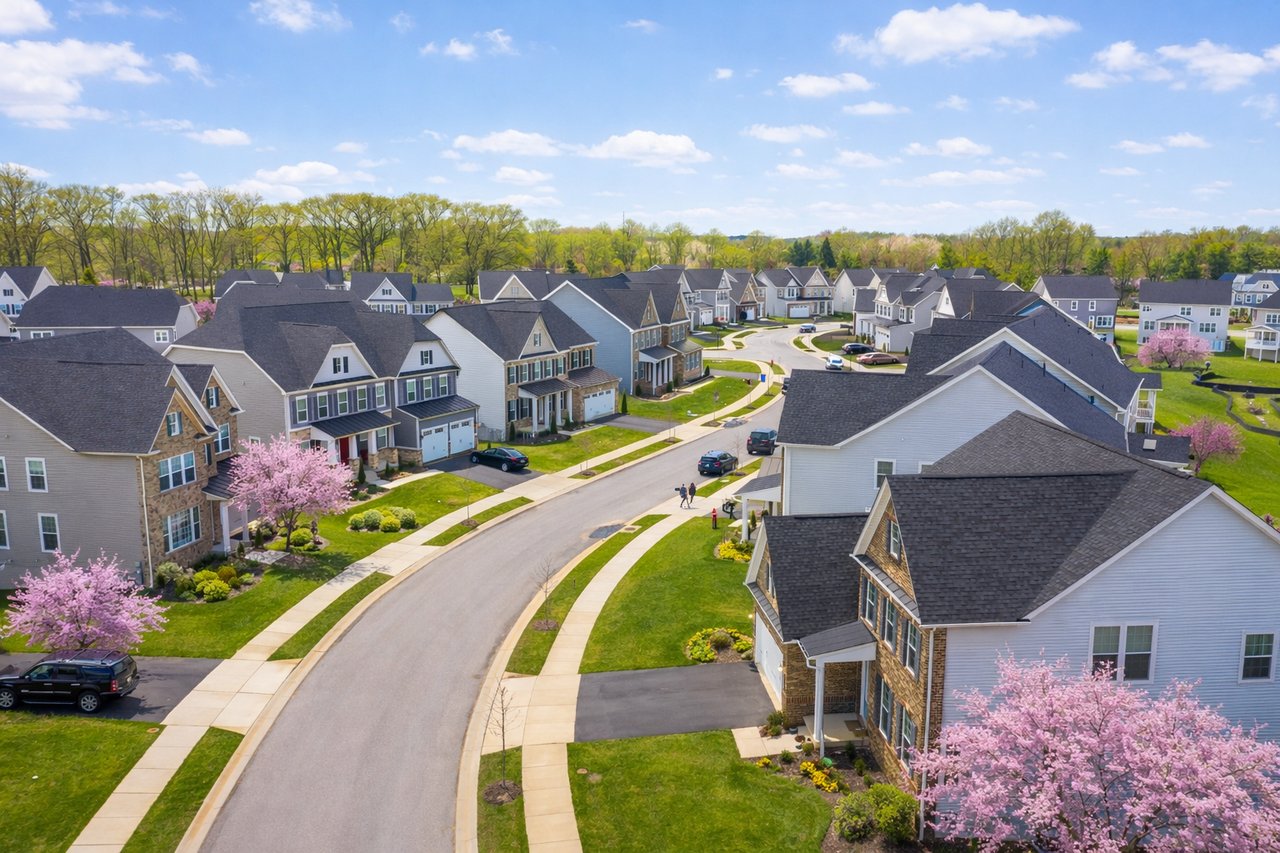
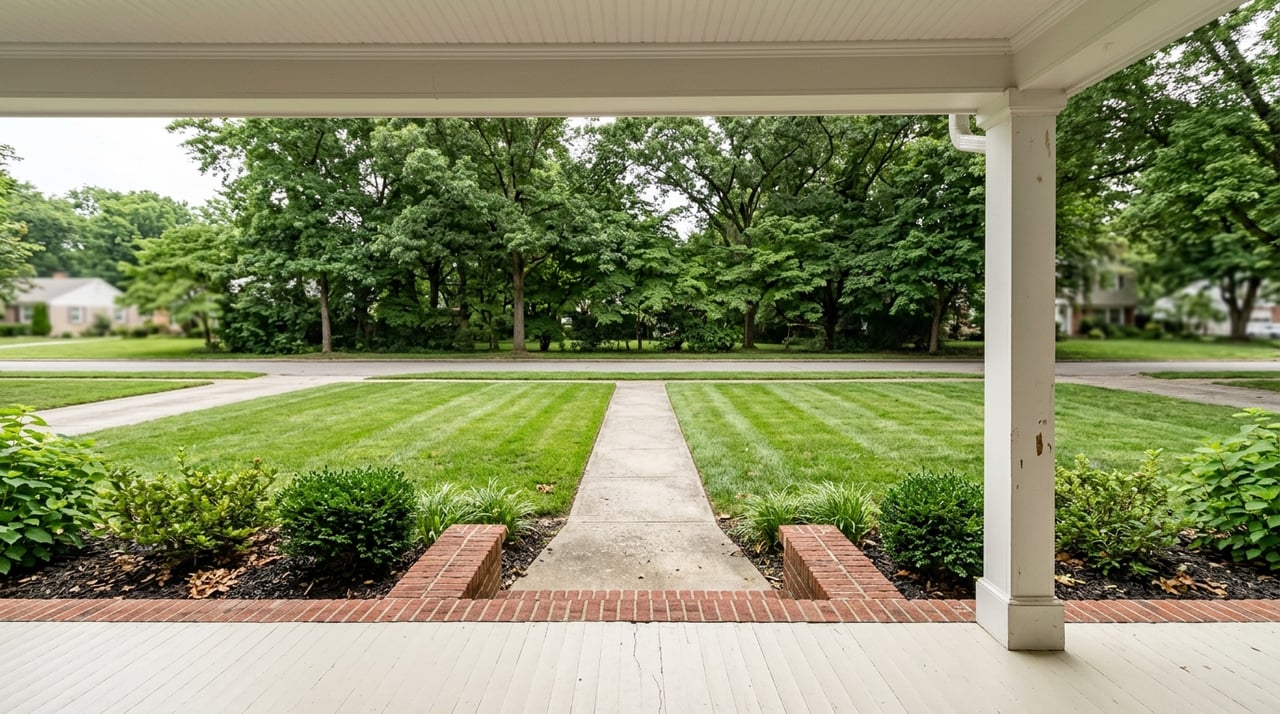
In practical terms, that usually means the city feels more compact and street-oriented, while the county feels more suburban and more car-centered. If you picture walkable blocks, tighter housing patterns, and a more urban rhythm, the city may appeal to you. If you picture more space, larger lots, and neighborhoods spread across a wider area, the county may be a better match.
Housing Types Compared
The housing stock is one of the clearest differences between the two.
Baltimore City zoning identifies rowhouses as a predominant housing type in many areas, according to the Baltimore City zoning code. That helps explain why so many buyers associate the city with attached homes, older blocks, and a classic urban layout.
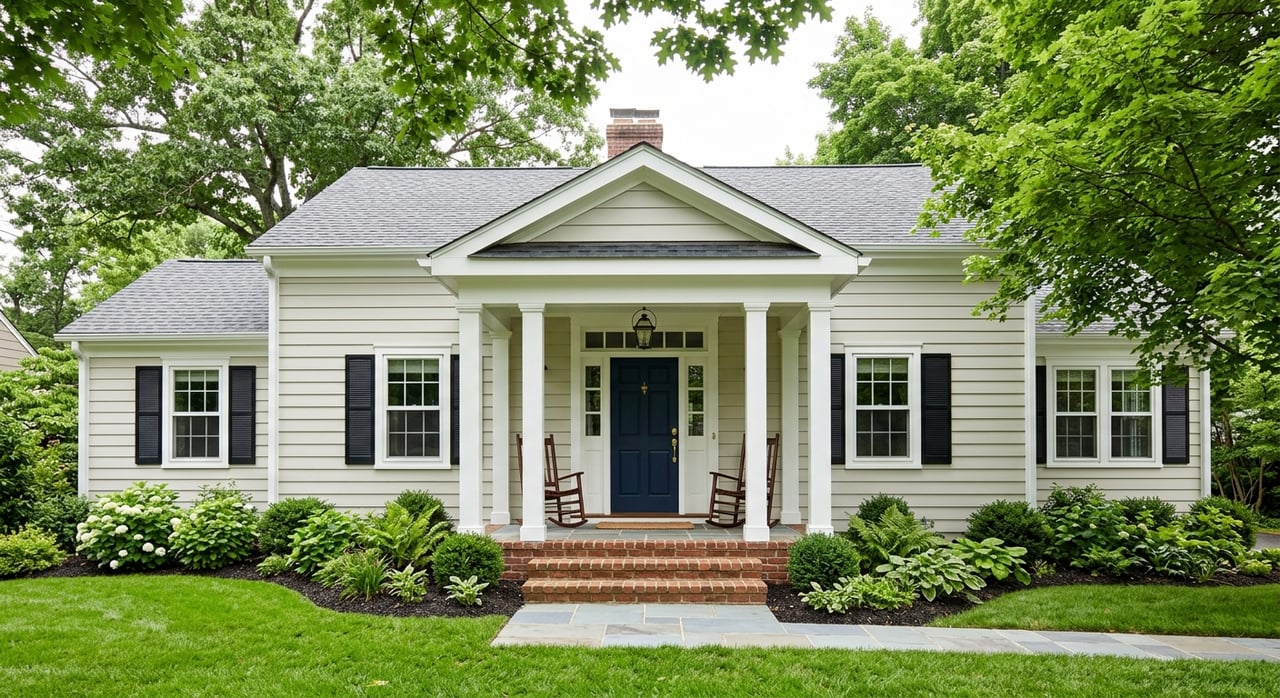
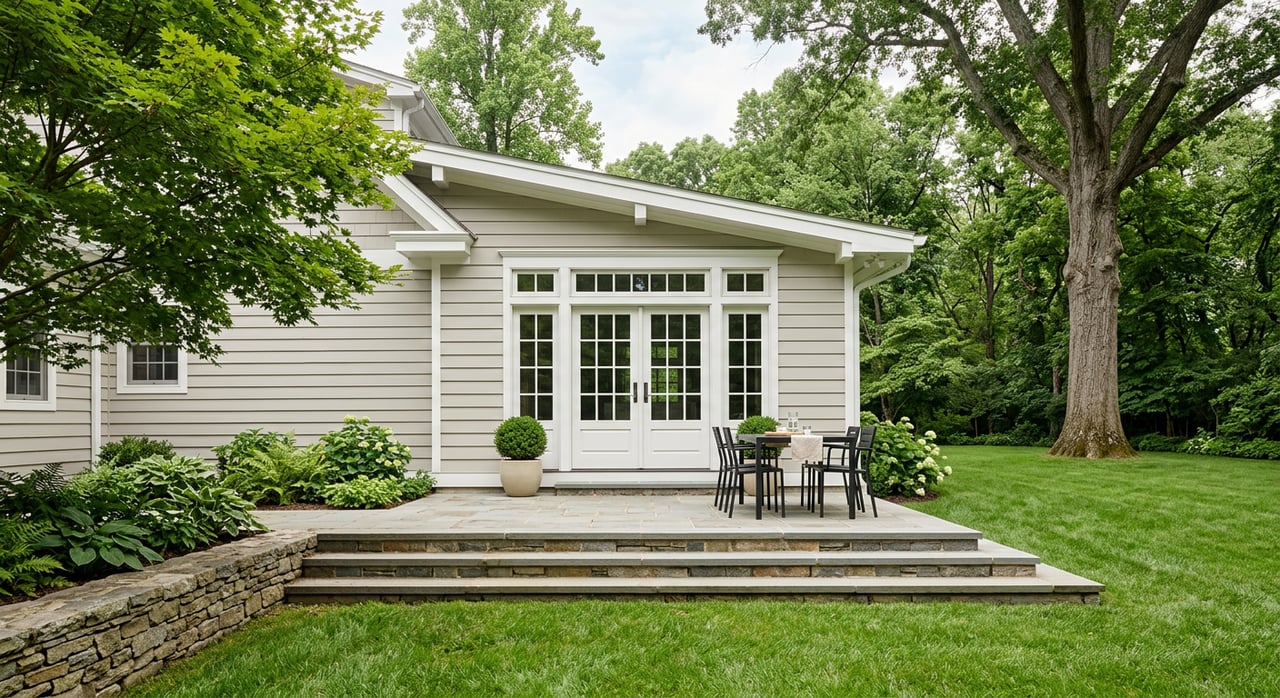
Baltimore County planning trends point more toward single-family detached homes, with added townhome supply in selected areas. That does not mean the county only has detached homes or the city only has rowhouses. Both jurisdictions have a mix. Still, if you are starting broad, the county generally offers more detached-home and townhouse options, while the city leans more heavily toward rowhouse-style living.
What this means for your home search
If you are deciding where to focus, it helps to think about your day-to-day priorities:
- Choose Baltimore City if you want a more compact setting, attached-home options, and an urban neighborhood pattern
- Choose Baltimore County if you want more detached homes, more land, or a suburban layout
- Keep an open mind because the boundary is not absolute and some areas break the usual pattern
That last point matters. The best decision is often neighborhood by neighborhood, not just city versus county.
Home Prices and Monthly Costs
For many buyers, budget narrows the choice quickly.
In February 2026, the median sale price in Baltimore City was $217,350. In Baltimore County, the median sale price was $364,450. That means the county was about 67.7% higher on a median-sale-price basis in that snapshot.
Market pace also looked different. Homes in Baltimore City sold after 67 days on market, while homes in Baltimore County sold after 46 days. That suggests county buyers may face a somewhat faster-moving market, though conditions can vary by price point and neighborhood.
Census data supports the same general pattern on values and carrying costs. QuickFacts shows a median value of owner-occupied housing units of $219,300 in the city and $349,300 in the county. Median gross rent was $1,290 in the city versus $1,627 in the county, and median selected monthly owner costs with a mortgage were $1,743 in the city versus $2,049 in the county.
Quick cost snapshot
| Category | Baltimore City | Baltimore County |
|---|---|---|
| Median sale price | $217,350 | $364,450 |
| Days on market | 67 | 46 |
| Median owner-occupied value | $219,300 | $349,300 |
| Median gross rent | $1,290 | $1,627 |
| Median monthly owner cost with mortgage | $1,743 | $2,049 |
If affordability is your top priority, Baltimore City may give you more room in your budget. If your priority is a more suburban housing style and you are comfortable with a higher price point, Baltimore County may feel like a stronger fit.
Property Taxes and Closing Costs
This is one of the most important differences, especially for relocation buyers comparing total ownership costs.
Baltimore City’s current real property tax rate is $2.248 per $100 of assessed value, while Baltimore County’s is $1.10 per $100, according to a Baltimore city fiscal analysis report. On a $300,000 assessed home, that works out to about $6,744 in city property taxes versus $3,300 in county property taxes.
That is a difference of about $3,444 per year, which can meaningfully affect your monthly budget. Even if the home price is lower in the city, the tax structure can change the true cost of ownership.
Closing costs also differ. Both jurisdictions charge a 1.5% transfer tax, but Baltimore City’s recordation tax is $5 per $500 of consideration, while Baltimore County’s recordation charge is $2.50 per $500, based on the Baltimore City code. Buyers comparing total upfront costs should pay close attention here.
Why taxes matter in your decision
A lower list price does not always mean a lower long-term payment. When you compare homes across the city and county line, it is smart to look at:
- Purchase price
- Estimated monthly payment
- Property tax amount
- Expected closing costs
- Commute and transportation costs
This is often where a side-by-side numbers review becomes very helpful.
Transportation and Commute Style
Commute time alone does not fully separate Baltimore City from Baltimore County. Census QuickFacts shows a mean travel time to work of 29.1 minutes in the city and 28.0 minutes in the county.
The bigger difference is usually how you commute.
Baltimore City has the denser fixed-route transit network. The Maryland Transit Administration operates CityLink and LocalLink buses in the Baltimore area, along with Metro SubwayLink, Light RailLink, and MARC commuter rail. MARC’s Penn Line and Camden Line connect Baltimore with Washington, D.C., which can be especially useful for regional commuters.
Baltimore County also has access to transit, but the county transportation page explains that county government does not operate MTA bus or subway service. CountyRide serves qualifying residents with specialized transportation, while MTA and the city handle public bus service in the county. Broadly speaking, that setup points to a more driving-based routine in many county neighborhoods.
Ask yourself these commute questions
When you compare areas, think about the lifestyle behind the numbers:
- Do you want rail access or are you comfortable driving most days?
- How important is parking to your routine?
- Do you want a more urban street network or a suburban road pattern?
- Will you commute locally, into downtown Baltimore, or toward Washington, D.C.?
Those answers often tell you more than average commute time alone.
Local Government Differences
Baltimore City and Baltimore County are separate jurisdictions, and that affects how services and governance are structured.
Baltimore City’s legislative branch is its City Council, created by the City Charter. Baltimore County is a charter county governed by an elected County Executive and a seven-member County Council, according to a city budget and management report.
Baltimore County also notes that it has no incorporated towns, villages, or municipalities. That means the county functions as one large local government rather than as a collection of separate municipalities. For buyers, this is mostly a practical reminder that city and county systems are not interchangeable, even when the names sound similar.
Which One Fits You Best?
If you are still deciding, the simplest answer is this: Baltimore City often fits buyers who want a lower median purchase price, denser housing, and stronger transit access. Baltimore County often fits buyers who want more detached-home options, more space, and a more suburban lifestyle.
Neither choice is automatically better. It depends on what matters most to you.
Baltimore City may fit you if:
- You want a more urban setting
- You are comfortable with rowhouse-style housing or attached homes
- You want stronger access to fixed-route transit
- You are targeting a lower median home price
Baltimore County may fit you if:
- You want more suburban surroundings
- You prefer detached homes or townhomes
- You want more space and potentially larger lots
- You are comfortable with a more car-oriented routine
- You are comparing long-term costs and want to factor in lower property tax rates
For many relocation buyers, this is not just a housing choice. It is a lifestyle choice.
Focus on Neighborhood-Level Fit
One of the most helpful things to remember is that city versus county is only the starting point.
The research shows that Baltimore City still includes some detached, semi-detached, and multifamily housing, and Baltimore County has been adding more townhome and mixed-housing options in some areas. So while the broad patterns are useful, your final decision should come down to the specific neighborhoods and homes that match your budget, commute, and daily routine.
If you are moving from out of state, that local context matters even more. What looks similar on a map can feel very different in person.
If you want help sorting through Baltimore City versus Baltimore County and narrowing down the right areas for your move, connect with Shari Arciaga. You will get practical, relocation-friendly guidance tailored to how you actually want to live.
FAQs
Is Baltimore City or Baltimore County more affordable for homebuyers?
- Based on the research provided, Baltimore City has a lower median sale price and lower median owner-occupied home value than Baltimore County, though taxes and closing costs can change the full cost picture.
Are property taxes higher in Baltimore City than Baltimore County?
- Yes. Baltimore City’s real property tax rate is $2.248 per $100 of assessed value, while Baltimore County’s is $1.10 per $100.
Is Baltimore County more suburban than Baltimore City?
- In general, yes. The county has lower population density, more single-family detached housing patterns, and a more spread-out development style.
Does Baltimore City have better public transit than Baltimore County?
- Baltimore City has the denser fixed-route transit network, including bus, Metro SubwayLink, Light RailLink, and MARC commuter rail service.
Should relocation buyers choose Baltimore City or Baltimore County?
- The better choice depends on your budget, preferred housing style, tax comfort level, and whether you want a more transit-oriented or car-oriented daily routine.