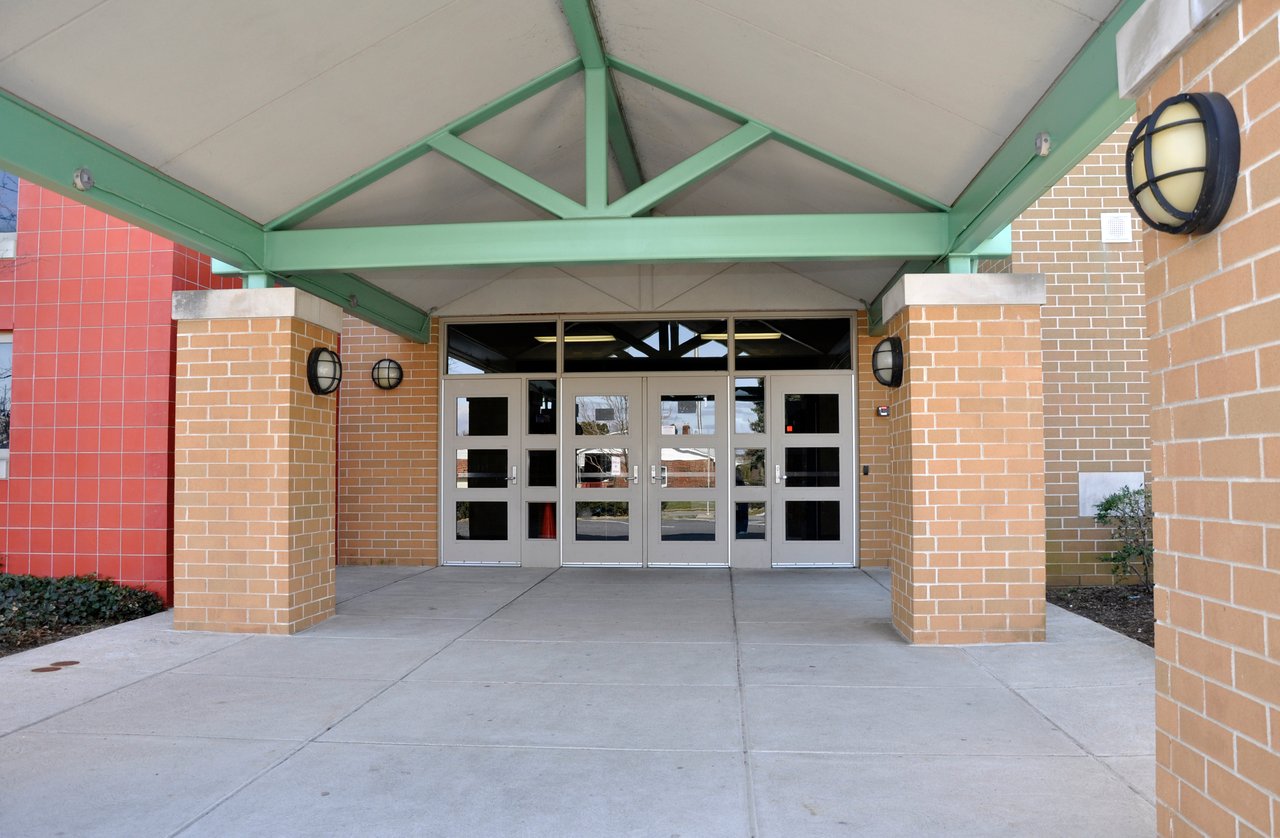
If you’re moving to Maryland with school-aged children, finding the right school is probably pretty high on your list. I understand that firsthand. I moved to Maryland in 2007 with two preschool-aged children, and finding a good school for them was an important part of deciding where our family would live.
But how do you determine whether a school is actually a good fit for your child?
When researching Maryland public schools, online resources such as Niche, GreatSchools, and SchoolDigger can be helpful starting points. School and district websites can also give you information about curriculum, academics, discipline policies, programs, and other important details.
But those resources don’t always tell you what it actually feels like to be part of a particular school.
Every school has its own culture, priorities, expectations, and personality. And even within the same school district, the experience can vary significantly from one school to another.
That’s why, whenever possible, it’s worth talking directly with the school administration. Whether you’re able to arrange an in-person school tour or simply have a conversation with someone at the school, asking the right questions can give you valuable insight.
Here are seven questions to ask on a school tour when researching schools for your move to Maryland.
1. What before- and after-school activities does your school offer?
If extracurricular activities or childcare are important to your family, find out exactly what’s available.
You may want to ask about:
- Before- and after-school care
- Sports
- Clubs
- Enrichment programs
- Academic programs
- Arts and music opportunities
It’s also worth asking whether these programs are operated by the school itself or by outside organizations.
If an outside organization runs a program, ask for its name so you can research costs, schedules, availability, registration requirements, and other details directly.
2. How is technology integrated into the classroom?
Technology has become a significant part of education, and many Maryland school districts provide individual devices such as laptops, tablets, or Chromebooks to students.
But simply knowing that devices are available doesn’t tell you how technology is actually being used.
Consider asking:
- Are students provided with individual devices?
- At what grade level does that begin?
- How is technology incorporated into everyday coursework?
- Do students take their devices home?
- What technical support is available when students have problems?
- What responsibility do families have for lost or damaged devices?
These questions can help you understand whether technology is simply available or thoughtfully incorporated into the school’s curriculum.
3. How do teachers work collaboratively to meet the needs of individual students?
If your child has special needs, a learning disability, physical limitations, a neurodiverse learning style, or another individualized learning need, this can be an especially important conversation.
Ask how the school identifies students who may need additional support and how teachers, administrators, specialists, and families work together.
You may also want to ask:
- How is eligibility for services determined?
- Who decides which services a student receives?
- Are support services provided at the individual school or district level?
- Are specialists based at the school, or do they work across multiple schools?
- How are classroom teachers involved in a student's support plan?
If your child currently receives services, you may also want to discuss your child's specific needs directly with the appropriate school or district personnel before making decisions.
4. What makes a teacher successful at this school?
This may seem like an unusual question for a parent to ask, but the answer can tell you quite a bit about the school's culture.
Listen carefully to what the administration emphasizes.
Is success primarily measured by testing and academic outcomes? Does the administration talk about student safety and well-being? Do they emphasize communication, collaboration, student engagement, creativity, or empathy?
There isn't necessarily one correct answer.
The point is to understand what the school's leadership values and whether those priorities align with what matters to your family.
5. How can parents get involved in supporting their child's education?
If being involved in your child's school is important to you, ask what opportunities exist for parents and caregivers.
Does the school use classroom volunteers? Are there opportunities to help with events, activities, clubs, fundraising, or other programs?
You can also ask to be connected with the school's PTA, PTO, or similar parent organization.
Talking with current parents can provide another perspective on the school and its community that you may not get from administrators or online research.
6. How does the school use its discretionary funding?
This is another question parents may not immediately think to ask, but the answer can provide interesting insight into a school's priorities.
Schools may have some flexibility in deciding how certain funds are used based on the needs of their particular student population.
That money might support things such as:
- Additional technology
- Enrichment programs
- Student support services
- Food programs
- Health and wellness resources
- Additional classroom support
Understanding where a school chooses to invest additional resources can help you better understand the needs of its students and the priorities of its leadership.
7. On average, how long have teachers been at the school?
This is one of my favorite questions.
Teacher retention can give you another window into a school's culture. A school where teachers tend to stay for many years may indicate a stable environment and strong sense of community.
At the same time, having newer teachers isn't necessarily a negative.
New teachers can bring enthusiasm, fresh ideas, and innovation to the classroom, particularly when they're supported by experienced colleagues and strong grade-level teams.
Instead of focusing only on the number of new teachers, consider asking about mentorship, collaboration, and overall teacher retention.
Finding the Right Maryland School for Your Family
There is no single school that's going to be the perfect fit for every child.
Maryland school rankings, test scores, and online reviews can all be useful pieces of information, but they don't tell the entire story. Visiting a school and asking thoughtful questions can help you understand its culture, leadership, priorities, and approach to students in a much more meaningful way.
And when you're moving to Maryland, your school search and your home search often go hand in hand.
Different communities can offer very different school options, housing styles, commute times, amenities, and lifestyles. Taking the time to research both the community and the schools can help you narrow down the areas that make the most sense for your family.
For additional information about how to research Maryland public schools, including school assignments, performance data, and county school systems, explore my Maryland Guide to Schools.
Planning a Move to Maryland?
I'm Shari Arciaga, a Realtor with LiveMARYLAND – The McIntyre Team of KW Collective. Having made the move to Maryland myself with young children, I know how many questions can come with choosing not just a house, but a community to call home.
If you're considering a move to Maryland, you can also download my LiveMARYLAND Moving Guide, with information and resources to help you plan your move.
And if you have questions about Maryland communities, housing, schools, or where to begin your home search, feel free to reach out. I'm always happy to help you get to know Maryland a little better before you make your move.